

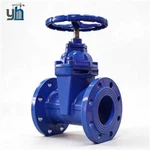


Ductile Iron DN65 Hydrant Valve
Custom models are accepted, FOB pricing runs US $5-70 per piece, min. order 30 pieces; OEM welcome.
Ductile Iron DN65 Hydrant Valve
Valves on the power plant fire pump header
This hydrant valve ties into the power plant fire pump header, acting as the branch shut-off and connection point where pump discharge meets the plant riser and yard fire water network. The valve body serves power plant fire protection listed on the source record, the industrial class of hydrant valve found around boiler blocks, turbine decks, auxiliary pump houses and outdoor plant yards. On a station layout these valves repeat at pump headers and riser take-offs, each isolated so maintenance can work one branch without draining the whole fire water system. The body stays dry between drills and cycles during routine pump and header checks.
Station crews know the pump house header by route. The valve there is the first point isolated on a repair.
Ductile iron body under plant vibration
Ductile iron forms the body, a cast material chosen for the vibration, temperature cycling and occasional wetting found around power plant pumps and auxiliary equipment. The ductile composition carries internal pressure and small external loads from supports and clips without permanent deflection, and it tolerates the repeated open-close cycles of routine station service better than a brittle cast body. Surface condition stays plain as supplied; paint and corrosion follow the plant maintenance practice once the valve enters the run. Pressure class and certification record carry no assigned values on the listing, so line rating and required approval follow the station fire system specification reviewed at tender.
Plant vibration never stops around the pumps. The body holds its seat through the cycling.
DN65 connection ends on the plant header
The specification lists a DN65 bore, and the joint type lists flange connection and thread connection as end options. Flanged ends bolt to a companion flange on the header take-off; threaded ends screw onto a male connection where standard tools open the joint. Which form each pump connection receives follows how the plant header was built, and the project schedule states flange or thread per branch. An end mismatch forces an adapter into the branch, adding length and another seal face inside the plant room.

Sn65 to SNS65 variant selection
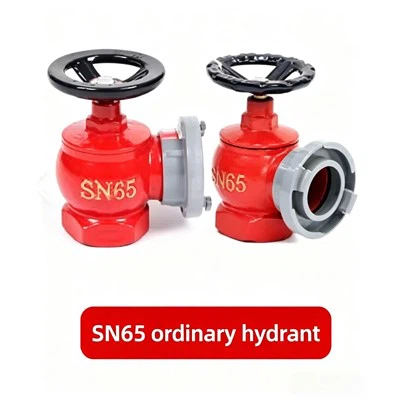
Model references read Sn65, SNW65, SNZ65 and SNS65, the four-variant hydrant family used on plant risers and pump connections. The base Sn65 is the standard body; SNW65 carries regulating function, SNZ65 uses a rotary arrangement, and SNS65 carries a double-outlet configuration. The station schedule names the variant at each header take-off, and maintenance replaces like for like so the branch hydraulic role stays unchanged. Variant selection follows the drawing callout rather than stock substitution, since a regulating, rotary or double-outlet body serves a different role on the line.
How plant headers branch around the block
Spare valves sit beside pump spares and header fittings in the station store, held by DN65 bore, end type and variant code, so a failed body swaps without a special procurement trip. Routine visits cycle the valve, inspect the seat and stem, and check for weep at the connection; a stiff stem or leaking seal sends the body to the repair bench. Custom variants are accepted when a plant header layout calls for a non-standard outlet arrangement.
What station rounds check on the ductile body
The power plant fire header runs along the turbine block, auxiliary pump house and outdoor plant yard, branching to each station area where the hydrant valve sits as the isolation and connection point. A station layout separates boiler auxiliaries, turbine decks, feed pump areas and electrical rooms, and each branch can be closed at its valve while maintenance works on another section without draining the whole fire water system. The DN65 body matches the branch bore on the station schedule, and the ductile iron casting carries the vibration, temperature cycling and wetting found around pumps and auxiliary equipment between service visits. During routine checks the valve cycles open and closed, seat and stem get wiped, and any weep at the connection marks the body for the repair bench. Spare valves sit beside pump spares in the station store, held by bore, variant and end type, so a failed body swaps without a special procurement trip.
One valve per plant branch. Close that branch and the rest of the header keeps running.
Station conditions around the pump house carry vibration, occasional steam condensate and equipment dust, and that load settles on exposed valve surfaces between maintenance rounds. The machined seat and stem keep flatness through repeated cycles, though packing and seal condition still get checked, because a stem that binds gradually will seize before a real response. The four variants on the record serve standard Sn65, regulating SNW65, rotary SNZ65 and double-outlet SNS65 roles, and the station schedule names the variant at each header take-off. Pressure class and certification record carry no assigned values on the listing, and the rating follows the plant fire system specification reviewed at tender.
The power plant header runs along the turbine block, auxiliary pump house and outdoor yard, branching to each station area where the hydrant valve sits as the isolation and connection point. A station layout separates boiler auxiliaries, turbine decks, feed pump areas and electrical rooms, and each branch can be closed at its valve while maintenance works on another section without draining the whole fire water system. The DN65 body matches the branch bore on the station schedule, and the ductile iron casting carries the vibration, temperature cycling and wetting found around pumps and auxiliary equipment between service visits. During routine checks the valve cycles open and closed, seat and stem get wiped, and any weep at the connection marks the body for the repair bench. Spare valves sit beside pump spares in the station store, held by bore, variant and end type, so a failed body swaps without a special procurement trip. Machined seats keep flatness through repeated cycles, though packing and seal condition still get checked before a stem gradually binds. A trial order can start with a small lot, and the price bracket and delivery window follow the quotation and the ordered quantity.
| Field | Figure |
|---|---|
| Model reference | Sn65/Snw65/Snz65/Sns65 |
| Listed unit class | Hydrant Valve |
| Listed application | Power Plant Fire Protection |
| Product category | Hydrant Valve |
| Certification record | - |
| Bore and outlet schedule | DN65 |
| Working pressure band | - |
| End connection | Flange Connection, Thread Connection |
| Body composition | Ductile Iron |
Hot Tags: Ductile Iron DN65 Hydrant Valve, China Ductile Iron DN65 Hydrant Valve manufacturers, fire hydrant assembly parts, fire hydrant coupling, fire hydrant flange connection, fire hydrant network valve, fire hydrant outlet, Outdoor Fire Hydrant
You Might Also Like



Send Inquiry