



DN65 Pedestrian Zone Hydrant Valve
Custom models are accepted, FOB pricing runs US $5-50 per piece, min. order 30 pieces.
DN65 Pedestrian Zone Hydrant Valve
Street valves in pedestrian zone fire points
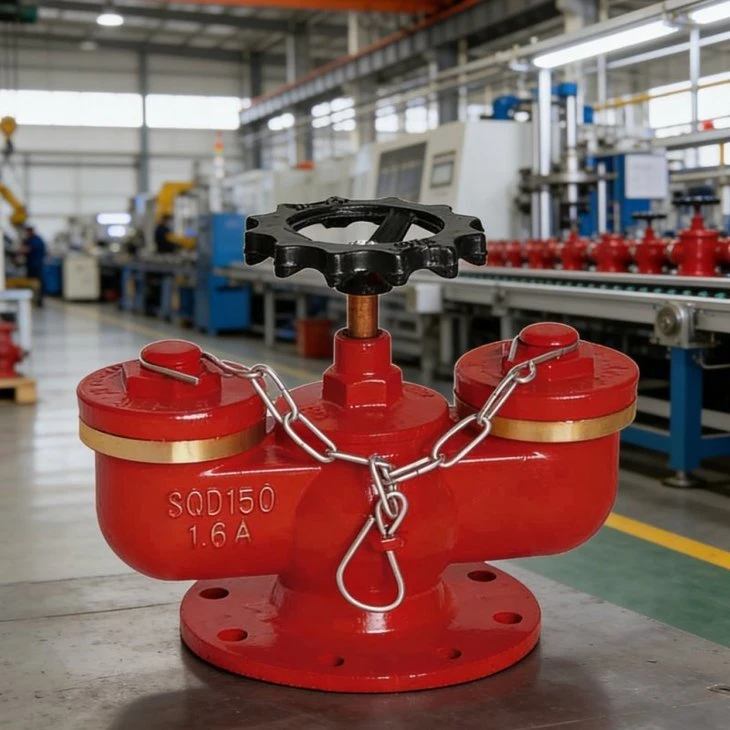
This hydrant valve serves pedestrian zone street fire points, mounted at the connection where a public sidewalk fire main feeds a brigade hose lay in a shopping street, plaza or mixed-use frontage. Listed application on the source record is pedestrian zone fire protection, the public-area class of hydrant valve tied to the street water network rather than an indoor cabinet or a plant room header. Valves repeat along the pedestrian route at the intervals the fire layout specifies, covering entrances, crossings and open frontages within hose-lay distance. The body stays accessible from the walking line, clear of street furniture and outdoor seating.
Public area crews walk the street on each round. The valve at each point gets the same quick cycle check.
1.6MPa rating across the DN65 body
The specification lists a DN65 bore, and the pressure class reads 1.6MPa, a working band matched to the rated street fire main shown on the system drawing. Bore size decides flow through the branch; pressure rating decides whether the body holds the main under pump discharge conditions. Both should align with the riser or main schedule reviewed at tender. Material carries no assigned value on the listing, and the certification record is marked open, so any required approval is confirmed against the pedestrian zone fire system specification before supply. Buyers do not substitute a lower-rated body onto a 1.6MPa branch on site.
DN65 sizes the flow. 1.6MPa sizes the rating. The street main schedule lists both.
Flanged and threaded end match
The joint type lists flange connection and thread connection as end alternatives. Flanged ends bolt through a companion flange on the main take-off with gasket and even torque; threaded ends screw onto a male connection where standard tools open the joint. The end form follows how the street main was built, and the project schedule states flange or thread at each fire point. A mixed end match needs an adapter into the branch, adding length and another seal face to inspect.

Sn65 to SNS65 model lineup
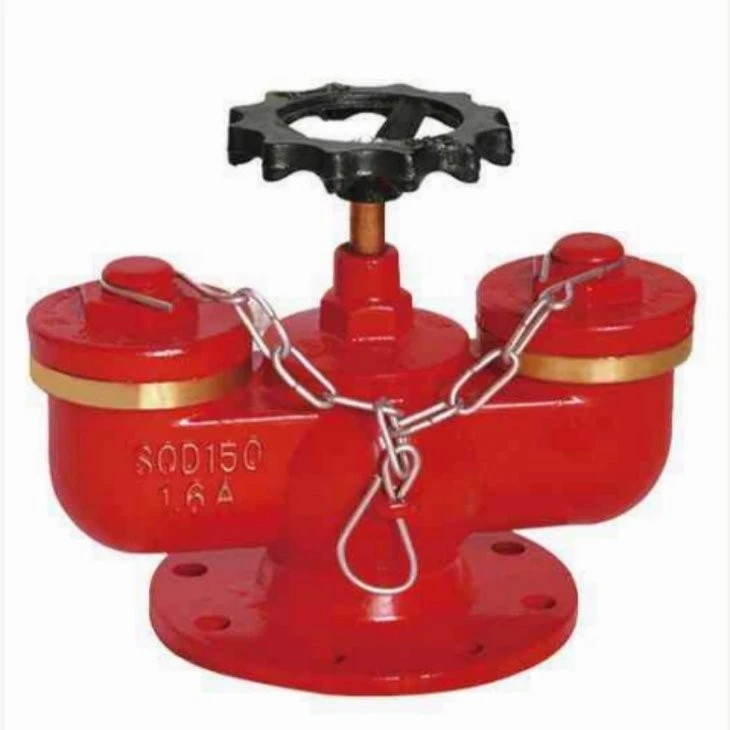
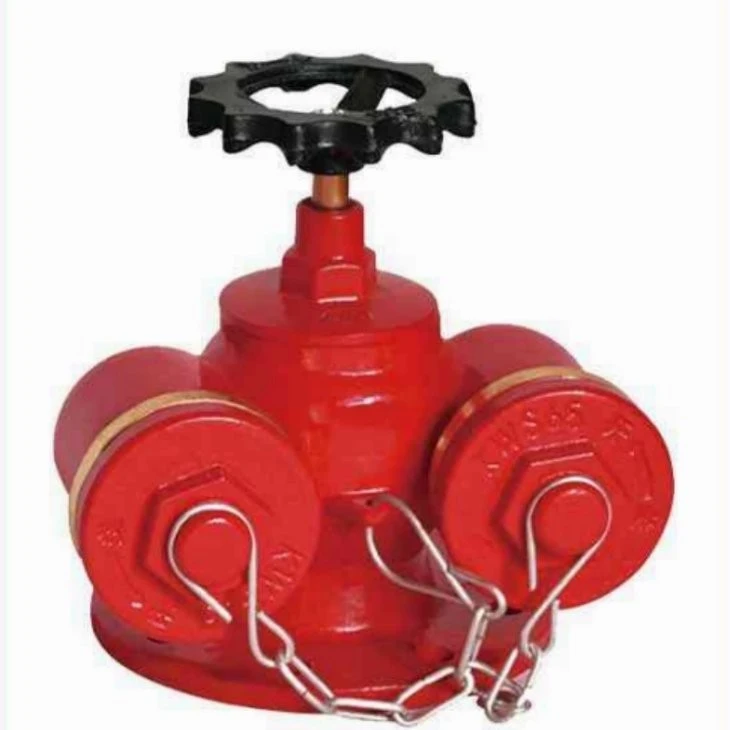
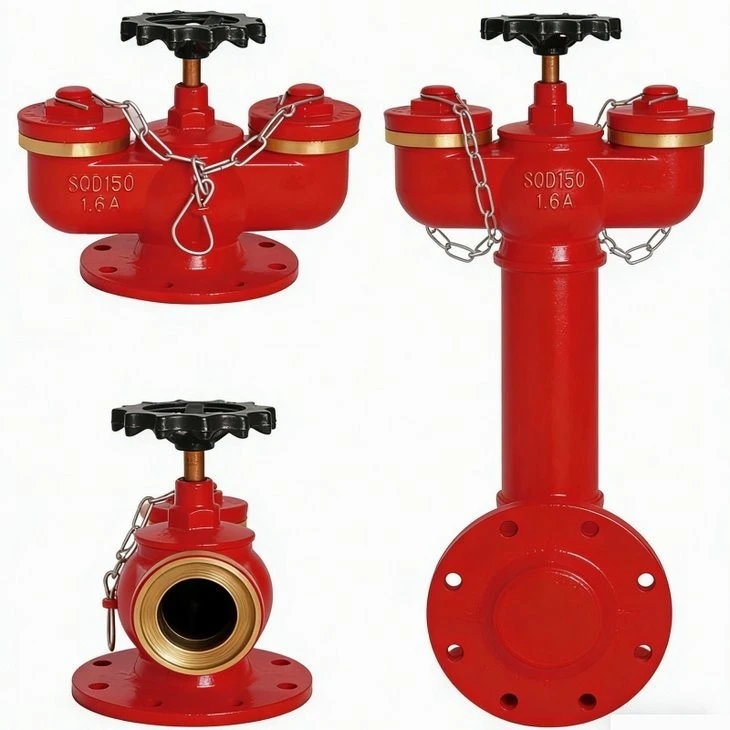
Model references read Sn65, SNW65, SNZ65 and SNS65, the four-variant hydrant family used on public-area fire points. The base Sn65 is the standard body; SNW65 adds regulating function, SNZ65 uses a rotary arrangement, and SNS65 carries a double-outlet configuration. The street schedule names the variant at each connection, and maintenance replaces like for like so the branch role stays unchanged. Variant functions match the drawing callout rather than stock substitution, since each body type serves a different hydraulic role on the main.
Setting the valve along the pedestrian frontage
Installation keeps the valve clear of paving joints, tree pits and outdoor seating, with the access face toward the hose-lay side of the walking line. After the main goes back into service, crews cycle the valve once to confirm free movement and check the seal for weep; maintenance rounds inspect the cover, label and surrounding surface for settlement or blockage. Custom variants are accepted when a street layout calls for a non-standard outlet arrangement.
How the street main feeds public frontage points
The public street main runs along the pedestrian zone and branches to each frontage fire point, with the hydrant valve on those branches as the connection and isolation point for a brigade response. Shop frontages, plaza strips, crossing corners and building entrances each draw on a branch off the main that the valve can close for repair without affecting the rest of the public network. The DN65 body matches the branch bore on the street schedule, and the 1.6MPa rating matches the main pressure shown on the pedestrian zone fire system drawing, so the body holds pump discharge conditions without substitution. During routine rounds the valve cycles open and closed, the seat and stem get wiped, and any weep at the connection marks the body for bench repair. Spare valves sit in the municipal store held by bore, rating and end type, so a failed body swaps without a special procurement trip.
One valve per frontage point. Close it and the main keeps feeding the rest of the street.
Public area conditions bring pedestrian traffic, dust from paving and occasional spillage past the fire point, and that dirt settles on exposed valve faces between rounds. The four variants on the record cover standard Sn65, regulating SNW65, rotary SNZ65 and double-outlet SNS65 roles, and the street schedule names the variant at each connection; maintenance replaces like for like so the branch role stays unchanged after a swap. Material and certification record carry no assigned values on the listing, and the required approval follows the pedestrian zone fire specification reviewed at tender. Flanged and threaded ends both appear on the record, and the end form is confirmed against how the main was built before supply.
The public street main runs along the pedestrian zone and branches to each frontage fire point, with the hydrant valve on those branches as the connection and isolation point for a brigade response. Shop frontages, plaza strips, crossing corners and building entrances each draw on a branch off the main that the valve can close for repair without affecting the rest of the public network. The DN65 body matches the branch bore on the street schedule, and the 1.6MPa rating matches the main pressure shown on the pedestrian zone fire system drawing, so the body holds pump discharge conditions without substitution. During routine rounds the valve cycles open and closed, the seat and stem get wiped, and any weep at the connection marks the body for bench repair. Spare valves sit in the municipal store held by bore, rating and end type, so a failed body swaps without a special procurement trip. The four variants serve standard, regulating, rotary and double-outlet roles, and the street schedule names the variant at each connection before supply. A trial order can start with a small lot, and the price bracket and delivery window follow the quotation and the ordered quantity.
| Item | Detail |
|---|---|
| Listed unit class | Hydrant Valve |
| Model reference | Sn65/Snw65/Snz65/Sns65 |
| Working pressure band | 1.6MPa |
| Listed application | Pedestrian Zone Fire Protection |
| Certification record | - |
| Bore and outlet schedule | DN65 |
| Product category | Hydrant Valve |
| Body composition | - |
| End connection | Flange Connection, Thread Connection |
Hot Tags: DN65 Pedestrian Zone Hydrant Valve, China DN65 Pedestrian Zone Hydrant Valve manufacturers, above ground fire hydrant, fire hydrant, fire hydrant assembly parts, fire hydrant network valve, fire hydrant pipe system, fire hydrant repair parts
You Might Also Like



Send Inquiry