







DN65 Flanged Threaded Indoor Hydrant
Custom models are accepted, FOB pricing runs US $5-70 per piece, min. order 30 pieces; OEM welcome.
DN65 Flanged Threaded Indoor Hydrant
Indoor hydrants in substation equipment rooms
This indoor fire hydrant serves substations and industrial building interiors, mounted on the riser take-off in a cabinet along an equipment room wall, corridor or control room approach. The indoor class of unit stays dry between drills, paired with a hose roll and nozzle in the same cabinet, and it feeds vertical riser water rather than an outdoor standing main. Listed application on the source record is indoor building fire protection, covering the interior connections of electrical and industrial premises. Cabinets repeat along the room layout at the intervals the fire system drawing specifies, each box holding its matched hose and nozzle so the pair stays together through a fast response.
Substation rounds check each cabinet door. The hydrant inside gets the same cycle as the hose roll beside it.
DN65 bore on the building riser
The specification lists a DN65 bore, matching a sixty-five-millimetre branch off the building riser. Bore size decides flow through the branch, and it should align with the hose or feed line the cabinet serves on the room layout. Material carries no assigned value on the listing, and pressure class and certification record are marked open, so line rating and any required approval are confirmed against the substation fire system specification in tender review. Buyers match the hydrant bore to the riser branch shown on the drawing before release to production, rather than substituting a larger or smaller body on site.
The riser branch comes off at DN65. The hydrant body matches that branch size.
Flange or thread end fitment
The joint type lists flange connection and thread connection as end options. Flanged ends bolt through a companion flange on the riser take-off with gasket and even torque; threaded ends screw onto a male connection where standard tools open the joint. The end form follows how the industrial riser was built, and the project schedule states flange or thread per cabinet. A mixed end match needs an adapter inside the wall recess, which crowds the box and adds another seal face to inspect.

Sn65 to SNS65 model family
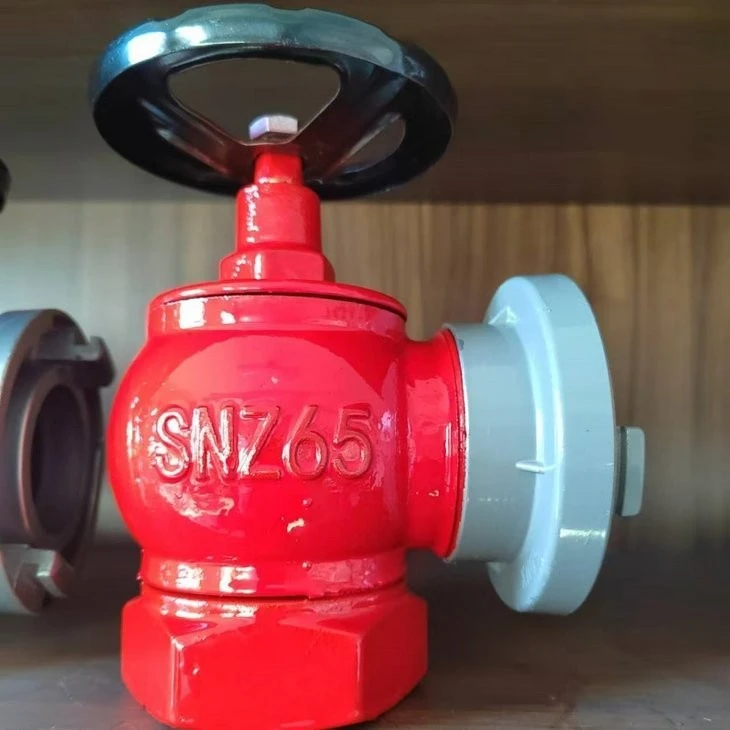
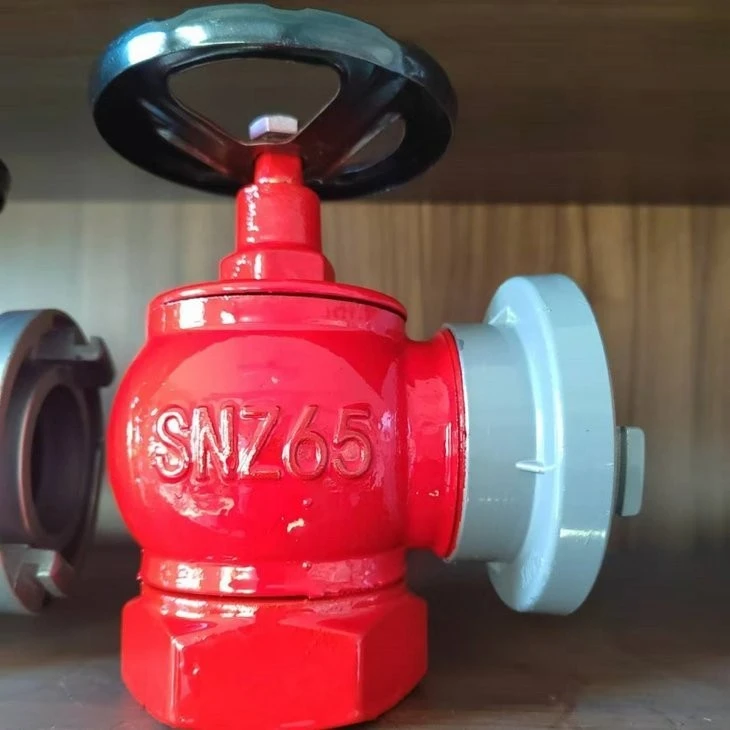
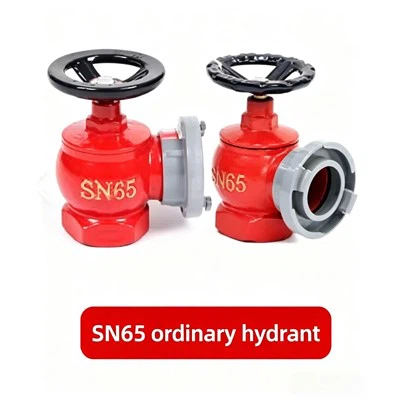
Model references read Sn65, SNW65, SNZ65 and SNS65, the four-variant indoor hydrant family used across building risers. The base Sn65 is the standard body; SNW65 adds regulating function, SNZ65 uses a rotary arrangement, and SNS65 carries a double-outlet configuration. The cabinet schedule names the variant at each take-off, and maintenance replaces like for like so the branch hydraulic role stays unchanged. Model spelling mixes capitalization across the four codes on the record, but the variant functions belong to the same family.
How substation risers serve equipment rooms
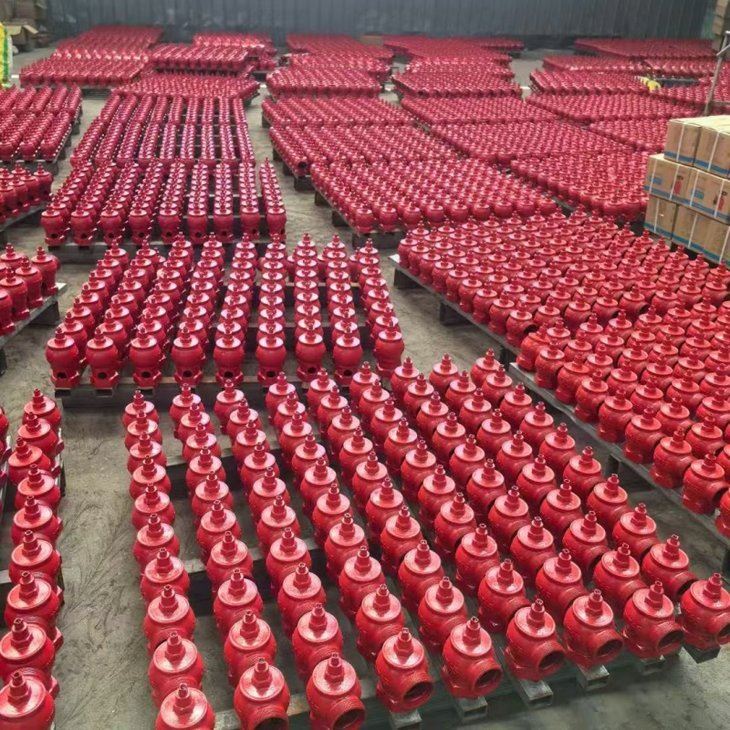
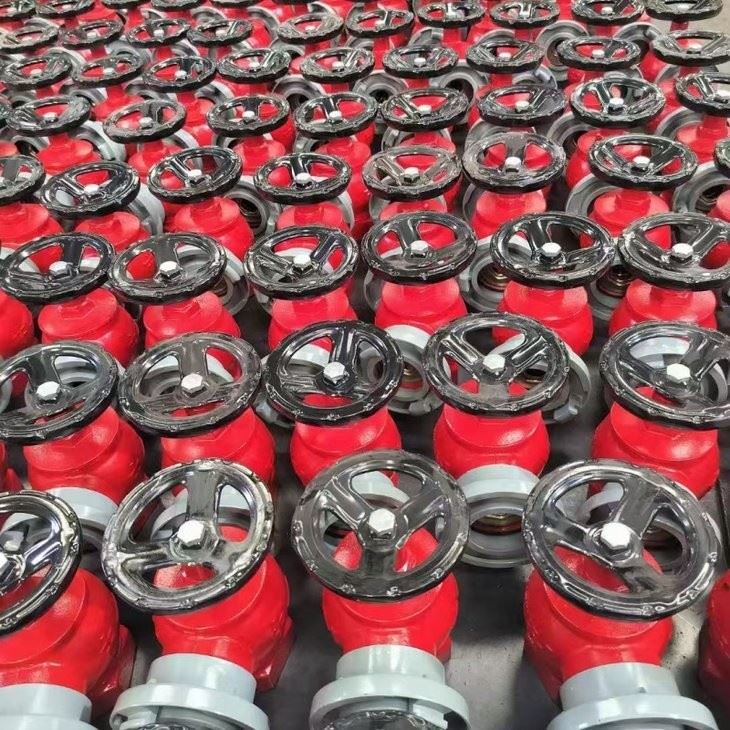
Industrial projects supply hydrants in batches by room or building section, and custom models are accepted when a riser layout calls for a non-standard outlet arrangement. OEM part marking can be arranged when the distributor or premise needs its own reference on the body. Before packing, the end connection gets a protector and the valve rests closed; at receiving, match the body to the cabinet drawing and confirm the end form mates with the riser take-off.
Where spare bodies sit in the industrial store
The indoor riser runs through the substation building and branches to each equipment room, control area and corridor take-off, with the hydrant valve on those branches as the isolation point for maintenance and the connection point for a response. Industrial layouts separate transformer bays, switchgear rooms, battery areas and control rooms, and each branch can be closed at its hydrant while work proceeds on another section without draining the whole building riser. The DN65 body matches the branch bore on the room schedule, and the flange or thread end follows how the vertical main was built, stated per cabinet on the project drawing. Maintenance cycles the body on each visit, wipes the stem and seat, and checks the connection for weep before the roll returns to the cabinet. Spare bodies sit in the industrial store held by bore, variant and end type, so a failed hydrant swaps without a special procurement trip.
One hydrant per room branch. Close it and the rest of the building riser keeps its water.
Substation interiors carry equipment dust, occasional moisture from ventilation and cleaning spillage, and that residue settles on exposed hydrant faces between rounds. The four variants on the record cover standard Sn65, regulating SNW65, rotary SNZ65 and double-outlet SNS65 roles, and the cabinet schedule names the variant at each take-off; maintenance replaces like for like so the branch role stays unchanged after a swap. Material, pressure class and certification record carry no assigned values on the listing, and those fields follow the substation fire system specification reviewed at tender. Custom models and OEM marking are accepted when a riser layout calls for a non-standard outlet or a distributor part reference on the body.
The indoor riser runs through the substation building and branches to each equipment room, control area and corridor take-off, with the hydrant on those branches as the isolation point for maintenance and the connection point for a response. Industrial layouts separate transformer bays, switchgear rooms, battery areas and control rooms, and each branch can be closed at its hydrant while work proceeds on another section without draining the whole building riser. The DN65 body matches the branch bore on the room schedule, and the flange or thread end follows how the vertical main was built, stated per cabinet on the project drawing. Maintenance cycles the body on each visit, wipes the stem and seat, and checks the connection for weep before the roll returns to the cabinet. Spare bodies sit in the industrial store held by bore, variant and end type, so a failed hydrant swaps without a special procurement trip. The four variants cover standard, regulating, rotary and double-outlet roles, and the cabinet schedule names the variant at each take-off before supply. A trial order can start with a small lot, and the price bracket and delivery window follow the quotation and the ordered quantity.
| Part | Value |
|---|---|
| Listed unit class | Indoor Fire Hydrant |
| Model reference | Sn65/Snw65/Snz65/Sns65 |
| Working pressure band | - |
| Bore and outlet schedule | DN65 |
| Product category | Fire Hydrant |
| Certification record | - |
| End connection | Flange Connection, Thread Connection |
| Body composition | - |
| Listed application | Indoor Building Fire Protection |
Hot Tags: DN65 Flanged Threaded Indoor Hydrant, China DN65 Flanged Threaded Indoor Hydrant manufacturers, Corrosion resistant Outdoor Fire Hydrant, Durable Cast Iron Indoor Fire Hydrant, fire hydrant, fire hydrant flange connection, fire hydrant pipe system, fire hydrant repair parts
You Might Also Like



Send Inquiry