



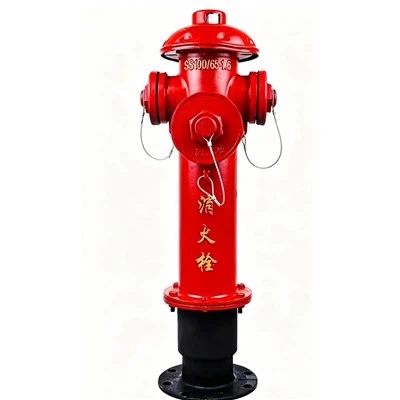
Snz65 Sns65 Buried Fire Hydrant DN65
Customization is accepted and OEM is welcome. FOB price runs from US $5-70 per piece, MOQ 30 pieces.
Snz65 Sns65 Buried Fire Hydrant DN65
Buried along the airport perimeter road
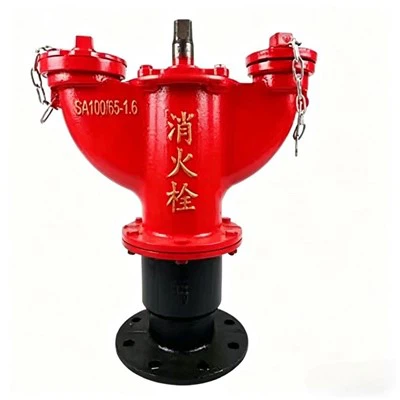
This underground hydrant sits below grade along an airport perimeter road and yard fire loop, where the buried riser branches off the main to feed an outdoor fire point tucked between apron edges, access roads and equipment storage areas. The body disappears into the trench between the main and the hydrant pit, leaving only the operating stem and cap above the pavement, so service vehicles move past without a standpipe blocking the route. The unit belongs to the underground hydrant family rather than the indoor cabinet class, and it connects to a buried branch rather than a vertical building riser. Yard rounds walk the loop at set intervals, check the cap and stem, and note any weep around the buried joint before the next drill. Open-air airport layouts separate apron stands, taxiway edges, service roads, fuel storage areas and auxiliary buildings, and each section keeps its own branch off the main fire loop. The source record leaves listed application open, so the service scope follows the airport fire system specification reviewed at tender.
The pit stays low profile. Traffic rolls past without a standpipe in the way.
Listed model family and DN65 bore
Model references read Sn65, Snw65, Snz65 and Sns65, the four-variant underground hydrant family carried on the listing. The base Sn65 is the standard buried body; Snw65 adds a regulating function, Snz65 uses a rotary arrangement, and Sns65 carries a double-outlet configuration. The specification lists a DN65 bore, matching a sixty-five-millimetre branch off the yard main, and bore size decides flow through the branch, so it should align with the hose or feed line the fire point serves on the layout. Material carries no assigned value on the listing, and pressure class and certification record are marked open; line rating and any required approval are confirmed against the airport fire system specification reviewed at tender rather than assumed from the body shape. The pit schedule names the variant at each take-off, and maintenance replaces like for like so the branch hydraulic role stays unchanged after a swap.
The bore runs DN65. The four variants cover the listed buried hydrant roles.
End types for trench and main connections
The joint type lists flange connection and thread connection as end options. Flanged ends bolt through a companion flange on the buried branch with gasket and even torque, a common choice where the main was built with flanged tees and the crew wants a rigid, repeatable joint that opens and reseals during maintenance. Threaded ends screw onto a male connection where standard wrenches break the joint open, suited to smaller buried branches where a flange would crowd the trench walls. The end form follows how the airport main was laid, and the project schedule states flange or thread per fire point; a mixed match needs an adapter in the recess, which adds another seal face to inspect and another part to carry in the store. Before the joint closes, the sealing face gets wiped clean, because grit left in the bore or on the thread is the usual reason a fresh connection weeps after the first pressure test.
Flange bolts up to a companion face. Thread screws onto the male branch.

Yard service at open-air fire points
Open-air yard layouts keep the fire loop along access roads, apron edges, equipment rows and storage aprons, with buried hydrants spaced where the drawing calls for a reachable outdoor point. Each hydrant acts as the isolation point for the branch it feeds and the connection point for a response, so one section can be closed for work without draining the whole loop. Outdoor dust, runway residue and occasional spillage settle on exposed stem and cap between rounds, and the inspection cycle wipes the stem, checks the seat and looks for weep around the buried joint before the cover goes back on. Spare bodies sit in the yard store held by bore, variant and end type, so a failed hydrant swaps without a special procurement trip. On paper the bore is one number; in the yard it decides how much water reaches the hose at the pit. Maintenance cycles the body on each visit, clears residue from the stem and cap, and confirms the buried joint stays dry between drills.
One branch closes at a time. The rest of the loop keeps its pressure.
Supply notes for airport projects
Airport projects supply hydrants in batches by yard section or access area, and custom models are accepted when a riser layout calls for a non-standard outlet arrangement. A trial order can start with a small lot, and the price bracket and delivery window follow the quotation and the ordered quantity. Before packing, the end connection gets a protector and the valve rests closed; at receiving, match the body to the pit drawing and confirm the end form mates with the buried branch. The source record leaves material, pressure class and certification open, so those fields follow the airport fire system specification reviewed at tender rather than a fixed rating printed on the listing.
| Row | Fact |
|---|---|
| Listed unit class | Fire Hydrant |
| Model reference | Sn65/Snw65/Snz65/Sns65 |
| Bore schedule | DN65 |
| End connection | Flange Connection, Thread Connection |
| Working pressure band | - |
| Certification record | - |
| Body composition | - |
| Listed application | - |
| Product category | Fire Hydrant |
Hot Tags: Snz65 Sns65 Buried Fire Hydrant DN65, China Snz65 Sns65 Buried Fire Hydrant DN65 manufacturers, fire hydrant distribution system, fire hydrant hose connection, fire hydrant network valve, fire hydrant outlet, fire hydrant repair parts, Outdoor Fire Hydrant
You Might Also Like


Send Inquiry