


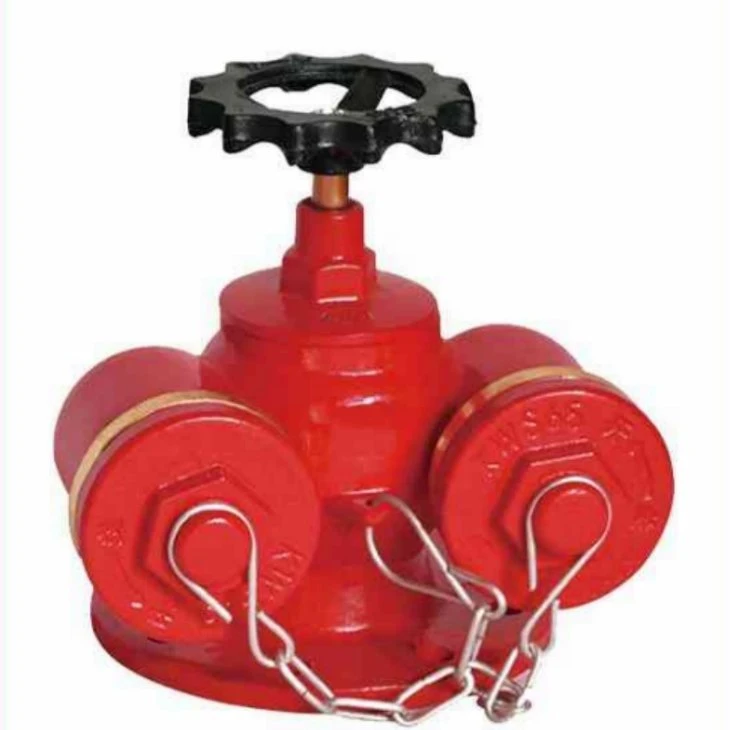


Galvanized Steel Rotary Hydrant Valve
Custom types are accepted, FOB pricing runs US $5-70 per piece, min. order 30 pieces.
Galvanized Steel Rotary Hydrant Valve
Platform fire points beside railway tracks
This hydrant valve serves railway platform fire points, mounted beside the platform edge, station equipment rooms and trackside service routes where a fire water branch feeds an emergency response. Listed application on the source record is railway platform fire protection, the open-air and semi-enclosed class of hydrant valve found along platform sides and station yards rather than inside a high rise cabinet. Galvanized steel forms the body, a skin suited to platform exposure where dust, diesel residue and seasonal wetting settle between service visits. Valves repeat along the platform at the intervals the station fire layout specifies, covering passenger areas, utility rooms and trackside equipment.
Station staff walk the platform on each round. The valve at each fire point gets the same quick check.
Regulating, rotary and double-outlet variants
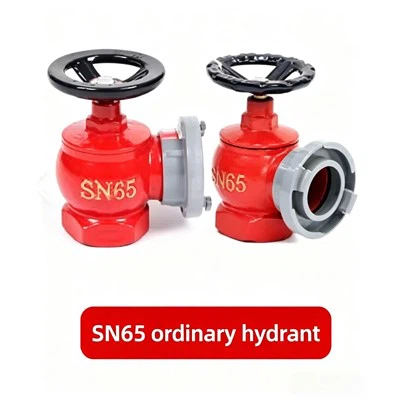
Four model references appear: SN65, SNW65, SNZ65 and SNS65. The base SN65 is the standard indoor-style body; SNW65 is the pressure-regulating variant, SNZ65 the rotary variant, and SNS65 the double-outlet variant. The platform schedule names the variant at each fire point, and the chosen body matches the branch role shown on the station drawing. Regulating bodies balance pressure on the riser, rotary bodies turn the outlet toward the hose-lay side, and double-outlet bodies feed two hose lays from one connection. Spare bodies in the store follow the same codes, so maintenance replaces like for like.
Regulating, rotary or double outlet. The station drawing names the variant at each point.
Galvanized steel body for open platform air
The galvanized steel skin tolerates the open platform air and trackside residue better than bare metal, though local atmosphere, de-icing treatments and damp still call for the station maintenance schedule once the valve enters service. The finish stays plain as supplied; touch-up paint and corrosion follow the site standard rather than a coating assigned on the source record. Pressure class and certification record carry no assigned values, so line rating and required approval follow the station fire system specification reviewed at tender.

DN65 ends in flange or thread
The specification lists a DN65 bore, and the joint type lists flange connection and thread connection as end options. Flanged ends bolt to a companion flange on the header take-off; threaded ends screw onto a male connection where standard tools open the joint. Which form each platform fire point receives follows how the station header was built, and the project schedule states flange or thread per connection. An end mismatch forces an adapter into the branch, adding length and another seal face to inspect.
How platform headers feed trackside points
Station projects supply valves in batches by platform or track section, and custom types are accepted when a layout calls for an outlet arrangement outside the standard four variants. Before dispatch, confirm end form and variant against the station drawing. At receiving, mate the body to a sample companion flange or male thread and check the seat face before the valve enters platform service.
What station rounds check at each fire point
The station fire header runs along the platform edge and branches to each trackside fire point, with the hydrant valve on those branches as the connection and isolation point for an emergency response. Platforms split between passenger waiting areas, utility rooms, staff passages and trackside equipment, and each point draws on its own branch off the header that the valve can close for repair without affecting the rest of the station network. The DN65 body matches the branch bore shown on the station layout, and the galvanized steel skin suits the open-air platform exposure where dust, diesel residue and seasonal wetting settle between service visits. During routine checks the valve cycles open and closed, the seat and stem get wiped, and any weep at the connection marks the body for bench repair. Spare valves sit in the station store held by bore, variant and end type, so a failed body swaps without a special procurement trip.
One valve per trackside point. Close it and the header keeps feeding the rest of the platform.
Railway platform conditions bring ballast dust, occasional condensation and heavy foot traffic past the fire point, and that dirt settles on exposed valve faces between rounds. The four variants cover different roles on the branch: standard SN65, regulating SNW65, rotary SNZ65 and double-outlet SNS65, and the platform schedule names the variant at each connection. Maintenance replaces like for like so the branch role stays unchanged after a swap. Pressure class and certification record carry no assigned values on the listing, and the line rating follows the station fire system specification reviewed at tender. Flanged and threaded ends both appear on the record, and the end form is confirmed against how the header was built before supply.
The station header runs along the platform edge and branches to each trackside fire point, with the hydrant valve on those branches as the connection and isolation point for an emergency response. Platforms split between passenger waiting areas, utility rooms, staff passages and trackside equipment, and each point draws on its own branch off the header that the valve can close for repair without affecting the rest of the station network. The DN65 body matches the branch bore on the station layout, and the galvanized steel skin suits open-air platform exposure where dust, diesel residue and seasonal wetting settle between service visits. During routine checks the valve cycles open and closed, the seat and stem get wiped, and any weep at the connection marks the body for bench repair. Spare valves sit in the station store held by bore, variant and end type, so a failed body swaps without a special procurement trip. Regulating, rotary and double-outlet variants cover different branch roles, and the platform schedule names the variant at each connection before supply. A trial order can start with a small lot, and the price bracket and delivery window follow the quotation and the ordered quantity.
| Row | Fact |
|---|---|
| Model reference | SN65, SNW65, SNZ65, SNS65 |
| Product category | Hydrant Valve |
| Certification record | - |
| Listed unit class | Hydrant Valve |
| Bore and outlet schedule | DN65 |
| End connection | Flange Connection, Thread Connection |
| Working pressure band | - |
| Body composition | Galvanized Steel |
| Listed application | Railway Platform Fire Protection |
Hot Tags: Galvanized Steel Rotary Hydrant Valve, China Galvanized Steel Rotary Hydrant Valve manufacturers, fire hydrant coupling, fire hydrant distribution system, fire hydrant network valve, fire hydrant pipe system, fire hydrant repair parts, Underground Fire Hydrant
You Might Also Like



Send Inquiry