



Galvanized Steel Buried Fire Hydrant
Custom models are accepted, FOB pricing runs US $5-70 per piece, min. order 30 pieces; OEM welcome.
Galvanized Steel Buried Fire Hydrant
Hydrants buried below substation fire points
This underground fire hydrant sits buried below a substation fire point, housed under a surface cover in the yard rather than standing as an exposed pedestal above the pavement. The buried class keeps the body out of vehicle and pedestrian traffic while still feeding a brigade connection through the access cover at emergency time. Listed application on the source record is substation fire protection, serving electrical yards, transformer areas and industrial plots where an above-ground pedestal would sit in the traffic or equipment clearance zone. The body ties into the buried fire main below grade, with the outlet access reached through the cover set in the yard surface.
The substation crew rarely sees the hydrant itself. They check the cover, the label and the access route on each round.
Galvanized steel under backfill and cover
Galvanized steel forms the body, a skin chosen for the buried condition where damp soil, backfill grit and occasional waterlogging sit around the casting between service visits. The metal resists the external corrosion common in underground service, while the surface finish follows the site maintenance standard once installed; the listing assigns no special burial coating. Body integrity around the buried base matters because digging back to replace a cracked casting disrupts substation operations, so clearance and bedding around the body follow the installation plan rather than a loose backfill. Pressure class and certification record carry no assigned values on the listing.
Below grade the body lives in damp soil. The galvanized skin handles that between cover visits.
DN65 body with flange or thread ends
The specification lists a DN65 bore, and the joint type lists flange connection and thread connection as end options. Flanged ends bolt to the buried main companion flange; threaded ends screw onto a male take-off, and the end form follows how the substation fire main was built. The project drawing states flange or thread at each buried point, and an end mismatch needs an adapter under the cover, which crowds the access chamber. Buyers confirm end form against the main drawing before supply.

SN65 through SNS65 model variants
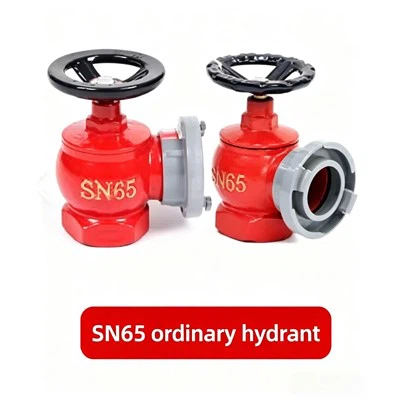
Model references read Sn65, SNW65, SNZ65 and SNS65, the four-variant indoor hydrant family adapted to buried substation points. The base Sn65 is the standard body; SNW65 carries regulating function, SNZ65 uses a rotary arrangement, and SNS65 carries a double-outlet configuration. The substation schedule names the variant at each fire point, and maintenance replaces like for like so the buried branch role stays unchanged. Variant functions should be matched to the drawing callout rather than substituted from stock of a different type.
Setting the buried body under the access cover
Installation sets the body below grade with bedding around the casting, the cover frame level with the yard surface and the access route clear of equipment pads and cable trenches. After backfill, crews confirm the cover opens freely and the outlet connection is reachable without digging again; maintenance rounds inspect the cover, label and surrounding surface for settlement or blockage. Custom models are accepted when a substation layout calls for a non-standard buried arrangement.
How the buried body reaches the fire main
The buried fire hydrant ties into the substation main below grade, with the body set in bedding under the access cover and the outlet connection reached through that cover at emergency time. The DN65 bore matches the branch off the buried main, and the flange or thread end follows how that main was constructed, settled on the drawing before excavation rather than adapted in the chamber. Installation centers the body in the bedding, levels the cover frame with the yard surface, and leaves the access route clear of equipment pads and cable trenches so the brigade can open the cover without digging again. After backfill, crews confirm the cover opens freely and the outlet is reachable, then mark the point on the substation fire plan for future rounds. Below grade the body sits in damp soil and backfill grit, and the galvanized skin resists the external corrosion common in buried service between cover visits.
Body in bedding, cover level, access route clear. The buried hydrant reaches the main from below.
Substation rounds rarely see the hydrant body itself, but they check the cover, the label and the surrounding surface for settlement, blockage or a bent frame. A cover that sits low after backfill shifts the access chamber and should be reset before the next wet test, and debris piled over the cover delays the brigade on arrival. The four variants on the record serve different buried branch roles: standard Sn65, regulating SNW65, rotary SNZ65 and double-outlet SNS65, and the substation schedule names the variant at each point. Material and pressure class carry no assigned values on the listing, and the rating follows the substation fire specification in tender review. Custom buried arrangements are accepted when a yard layout calls for a non-standard outlet.
The buried hydrant ties into the substation main below grade, with the body set in bedding under the access cover and the outlet reached through that cover at emergency time. The DN65 bore matches the branch off the buried main, and the flange or thread end follows how that main was constructed, with gasket and bolt pattern matched to the companion flange and settled on the drawing before excavation rather than adapted in the chamber. Installation centers the body in the bedding, levels the cover frame with the yard surface, and leaves the access route clear of equipment pads and cable trenches so the brigade can open the cover without digging again. After backfill, crews confirm the cover opens freely and the outlet is reachable, then mark the point on the substation fire plan for future rounds. Below grade the body sits in damp soil and backfill grit, and the galvanized skin resists the external corrosion common in buried service between cover visits. Substation rounds check the cover, label and surrounding surface for settlement or blockage, and a low cover frame gets reset before the next wet test. A trial order can start with a small lot, and the price bracket and delivery window follow the quotation and the ordered quantity.
| Label | Record |
|---|---|
| Listed application | Substation Fire Protection |
| Listed unit class | Underground Fire Hydrant |
| Working pressure band | - |
| Model reference | Sn65/Snw65/Snz65/Sns65 |
| Certification record | - |
| Product category | Fire Hydrant |
| Bore and outlet schedule | DN65 |
| End connection | Flange Connection, Thread Connection |
| Body composition | Galvanized Steel |
Hot Tags: Galvanized Steel Buried Fire Hydrant, China Galvanized Steel Buried Fire Hydrant manufacturers, above ground fire hydrant, Corrosion resistant Outdoor Fire Hydrant, Durable Cast Iron Indoor Fire Hydrant, fire hydrant, fire hydrant assembly parts, fire hydrant metal valve body
You Might Also Like


Send Inquiry