



Cast Iron Flanged Fire Hydrant SS100
We produce about 10,000 pieces per month with a lead time near 15 days. Units are packed in cartons or wooden cases, and customized specifications are accepted.
Cast Iron Flanged Fire Hydrant SS100
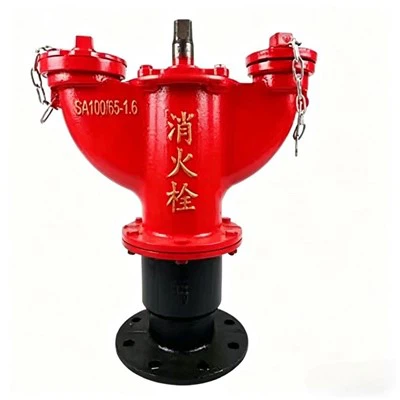
Where standing hydrants sit along plant fire mains
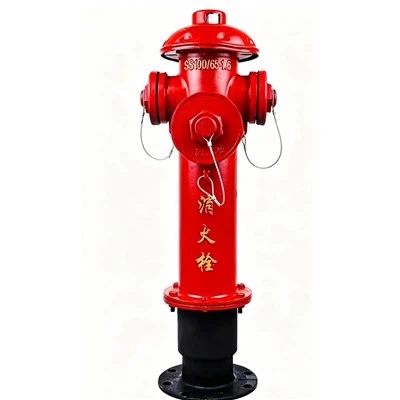
This above-ground hydrant lines up along warehouse yards, plant fire mains and workshop perimeter routes, where a standing unit gives a brigade an immediate water connection without digging up a buried main. The body casts as cast iron and stands vertically from a flanged base bolted to the incoming main, with outlet heads facing out toward the hose-lay area between buildings and storage sheds. Yard contractors usually ask for the outdoor version first: a unit that stays visible, accessible and painted to the site safety color code, rather than one hidden below a pavement cover. Placement keeps the outlet heads clear of pallet stacking, forklift turning circles and stored raw material, so hose crews can walk in, connect lay-flat hose and open the valve without an obstacle in the path. On industrial plots these hydrants repeat at regular intervals along the main, spaced so any fire on the site reaches a connection within the brigade hose-lay distance. The listed application is fire protection across the yard network.
The crew at the pit usually asks for the flanged version first. Nobody wants to cut and weld a live main under time pressure.
Reading the SS100/65 and SS150/80 bore schedule
Two model references appear on the listing: SS100/65 and SS150/80. The first pair of numbers marks the inlet nominal bore, the second marks the outlet nominal bore, so the SS100/65 ties a DN100 incoming main to DN65 outlets while the SS150/80 ties a DN150 main to DN80 outlets. The source specification lists DN100/DN150 inlets with DN65/DN80 outlets, and the buyer matches the model to the main size already buried in the plot. A mismatch in inlet size means a reducer adapter or a changed flange, which delays the first pressure test on site. Outlet bore decides how much water each head can feed, so the brigade hose diameter and nozzle selection follow the outlet schedule rather than the other way around.
Inlet and outlet sizes come as a matched pair. The model code shows both at once.
Flanged connection at the yard main
The joint type is a flange connection, bolted through a matching companion flange on the buried main, with a gasket seated between the faces and bolts tightened evenly around the circle. Flanged joints suit outdoor standing units because they can be broken back open for body replacement without cutting pipe, and the exposed base stays accessible for inspection after each wet test. The rotating bolt arrangement on the listing supports alignment when the flange holes do not line up with the existing main bolt circle. Before backfill around the new base, crews check flange squareness, gasket centering and bolt torque, then leave the bolt heads and nuts painted against surface rust. Threaded adapters are not part of this listing; the tie-in here stays flanged end to end.

How the cast iron body holds up outdoors
Cast iron forms the body, bonnet and standing barrel for this outdoor unit, giving a solid mass that carries internal water pressure and the external knocks common around yard traffic. The metal tolerates outdoor weather, dust and seasonal wetting without a special internal lining listed on the source record; surface paint and corrosion practice follow the site maintenance routine once the unit enters service. Cast iron can chip or crack if struck hard by a forklift or a falling load, so clearance around the pedestal matters as much as the wall thickness inside. Pressure class and certification record are marked on the listing without assigned values, so the line rating should be confirmed against the project fire main specification before the order is cut.
On paper the body is one solid casting. On the yard it takes every bump the traffic lane throws at it.
Matching spares to the buried yard main
Packing follows carton or wooden case practice for outdoor cast units, and custom specifications are accepted when a yard layout calls for an outlet arrangement outside the standard model list. When the spares list splits by model, buyers confirm inlet bore, outlet bore and flange pattern against the buried main before release to production. One practical check before dispatch: match the outlet thread or coupling form to the hose stock already held at the station, so the delivered hydrant joins the existing hose set without a separate adapter order.
What the brigade checks before accepting the hydrant
On acceptance, the brigade crew walks the pedestal, cycles the outlet valve and confirms each head opens and closes without sticking, then checks that the outlet caps seal against dust and rain so grit does not sit in the seat between responses. The base flange should sit square on the companion flange, with the gasket centered and bolt torque even around the circle, because a skewed base gives the pedestal a lean that worsens over wet-test cycles. Clearance around the body gets measured next: the hose-lay side stays free of stored material, pallet frames and traffic obstacles, and the outlet heads face the direction a crew would pull the line toward the nearest building or shed. If the unit arrives with a paint scratch or a chipped corner, touch-up follows the site maintenance routine rather than rejection, since the casting itself holds pressure regardless of surface finish.
Check the seat. Check the base. Check the clearance side. That covers the acceptance walk.
Standing hydrants on a yard plot get a first visual walk before the brigade signs off, checking that the pedestal sits plumb, the outlet caps seal, and the access strip between the body and the nearest shed stays free of stored pallets and machinery. The flanged base should show even bolt torque around the companion flange, with the gasket centered and no rust bleed at the joint face, because a loose base settles over repeated wet tests and leaves the body leaning after a season of yard traffic. Crews then cycle each outlet valve open and closed to confirm the stem moves without binding, and they look for weep at the seat after a short trial pressure hold before the unit returns to standby. Inlet and outlet bores on the installed model match the buried main and the brigade hose stock, so the connection feeds the line without a reducer or a second adapter on site. The casting takes the occasional bump from passing equipment, but a clear clearance zone around the pedestal prevents most contact before it reaches the body. A trial order can start with a small lot, and the price bracket and delivery window follow the quotation and the ordered quantity.
| Item | Detail |
|---|---|
| Body composition | Cast Iron |
| Certification record | - |
| Listed application | Fire Protection |
| End connection | Flange Connection |
| Listed unit class | Outdoor Fire Hydrant |
| Product category | Fire Hydrant |
| Bore and outlet schedule | DN100/DN150 Inlet; DN65/DN80 Outlet |
| Model reference | SS100/65, SS150/80 |
| Working pressure band | - |
Hot Tags: Cast Iron Flanged Fire Hydrant SS100, China Cast Iron Flanged Fire Hydrant SS100 manufacturers, Durable Cast Iron Indoor Fire Hydrant, fire hydrant cap, fire hydrant metal valve body, fire hydrant outlet, Outdoor Fire Hydrant, Underground Fire Hydrant
You Might Also Like


Send Inquiry