






Cast Iron Outdoor Fire Hydrant
It can be installed above-ground, underground or wall-mounted. Monthly capacity is 10,000 pieces, customization is available on request, and FOB price runs from US $5 per piece.
Cast Iron Outdoor Fire Hydrant
What sits at the curb
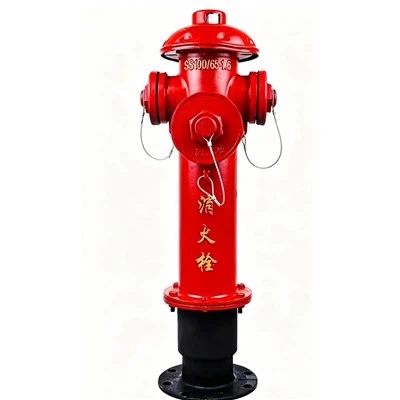
A dry winter night exposes what a roadside stand is really made of: a cap that will not unscrew, a stem that freezes in place, a base that leaks. This unit is the cast iron outdoor fire hydrant produced in SQS100 and SQS150, with DN100 and DN150 outlets and a 1.6 MPa nominal rating. It mounts above ground, goes underground in a chamber, or bolts to a wall face. Monthly output reaches 10,000 pieces, enough to keep municipal and industrial projects stocked. FOB runs US $5–50 per piece; the minimum order is 30 pieces, YH mark, China origin. The stand sits on the town distribution main so a brigade can draw water without tapping a service line meant for buildings. Outlets face outward from the barrel or wall so a hose coupling reaches without a second wrench swing; the operating nut sits at working height on above-ground versions.
Inside the barrel
The hydrant body connects at its base to the underground main. An internal stem lifts the main gate when the operating nut turns with a standard wrench. Outlet caps thread over the side ports; they keep debris out between calls, and their sealing faces hold static water inside. Above-ground versions show the barrel, head and outlets over the pavement. Underground versions sit in a chamber under a ground-level cover. Wall-mounted versions bolt to the exterior face and tie back to the adjacent line. The 1.6 MPa rating is the pressure the assembly and its joints hold under fire duty. Line thrust transfers into the chamber or pavement through the base connection; a retaining lug, where fitted, keeps the cap from wandering after it is unscrewed. The SQS hydrant leaves the shop after batch sampling of dimensions and outlet threads. Inside, the gate seats against a horizontal face when closed, isolating the barrel from main pressure; opening lifts that face clear so flow reaches every capped outlet at the same head. Seals between stem and body get checked at the same batch sample as the gate seat, because a leaking stem lets water climb the barrel even when the gate closes tight. The base flange or thread sits against a prepared pad or chamber wall, so line movement does not pull the stand off its connection.
Field notes: where crews find it
Municipal road fire protection drives most orders. The outdoor hydrant appears along sidewalks, at block corners, near intersections where hose lays reach both carriageways. Yards, warehouse perimeters, construction compounds and factory access roads tie the units into the sprinkler loop or distribution main. SQS100 and SQS150 match the DN100 and DN150 diameters crews couple to hose lines. Wall mounting suits buildings where a free riser blocks the walkway; the underground version keeps the curb line clear. School grounds, hospital campuses, retail lots and container yards follow the same spacing logic: one marked tap reachable from every facade and storage area. Outlet size follows local brigade coupling practice, not just line diameter. On industrial sites the units also serve as drain-off points for sprinkler loop maintenance, where a capped outlet lets crews flush sediment before a pressure test. Spacing follows road width and block length: longer hose lays call for closer stands, short side streets can space them farther apart. On depot and port layouts, stands also mark fire lanes that must stay clear for truck access.

Spec / Figure
| Spec | Figure |
|---|---|
| Model code | SQS100, SQS150 |
| Outlet size | DN100, DN150 |
| Working pressure | 1.6 MPa |
| Unit type | Outdoor Fire Hydrant |
| Category | Fire Hydrant |
| Application area | Municipal Road Fire Protection |
| Brand | YH |
| Country of origin | China |
| Order minimum | Min. Order: 30 Pieces |
| FOB range | US $5–50 / Piece |
| Cast material | - |
| End arrangement | - |
| Standard reference | - |
| Delivery window | - |

Installation and winter checks
Level the base against the branch main. Keep the barrel vertical; tighten the flange or thread connection to the site drawing. Check caps and threads after installation and again before winter. Drain trapped water from exposed barrels per local practice. Exercise the nut through open and close cycles so the stem moves freely. Patrols note broken caps, bent outlets, base leaks and obstructions piled against the unit. Replace seals before rain and grit enter the line. Keep the ground clear of parked vehicles and pallets; grease outlet threads for wet seasons; touch up chipped surface finish where cast metal shows. After a drill, hose couplings are disconnected, caps are screwed back on, and any water left in the barrel is drained so it does not sit through the night. Chamber versions get a lid check each visit to confirm the cover sits flush and the access hole stays free of debris. Wall-mounted units get the same thread and cap check from the bracket side; the bracket bolts are re-torqued after the first winter settlement. Chamber lids are painted or marked so responding crews can spot the access cover from the road.
Questions buyers ask
Q: What is the minimum order?
A: 30 pieces per order.
Q: Which models and outlet sizes are offered?
A: SQS100 with a DN100 outlet and SQS150 with a DN150 outlet, both rated at 1.6 MPa.
Q: Can the unit be installed below ground?
A: Above-ground, underground and wall-mounted forms are all available; the underground version sits in a service chamber accessed from the pavement.
Q: What pressure does it hold?
A: Nominal 1.6 MPa, matched against static and residual pressure at the connection.
Hot Tags: Cast Iron Outdoor Fire Hydrant, China Cast Iron Outdoor Fire Hydrant manufacturers, above ground fire hydrant, Corrosion resistant Outdoor Fire Hydrant, fire hydrant cap, fire hydrant network valve, fire hydrant repair parts, Outdoor Fire Hydrant
You Might Also Like

Send Inquiry