






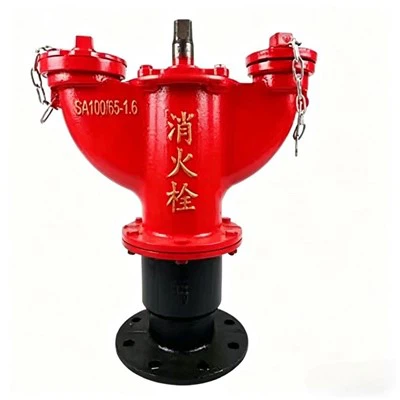
Outdoor Flanged Pedestrian Hydrant
We produce about 10,000 pieces per month to keep projects supplied. MOQ is 30 pieces, with FOB pricing from US $65 per piece.
Outdoor Flanged Pedestrian Hydrant
Hydrants along sidewalk fire protection points
This outdoor hydrant lines municipal sidewalks, roadside verges and public fire protection points, giving a brigade an above-ground connection at regular intervals through a street network. The pedestal stands clear of the pavement walking line, with outlet heads facing the hose-lay area toward the carriageway or the adjacent plot entrance. Public road siting keeps the unit away from tree pits, street furniture and parked vehicles, so access crews can approach from either side without climbing over an obstacle. Listed application on the source record is municipal road fire protection, the class of connection a local brigade relies on for street-side response rather than a buried chamber under the pavement.
Crews walk the route before the hydrants go in. Clear pavement matters more than a neat line on the drawing.
DN100/DN150 inlet and DN65/DN80 outlet routing
The specification lists DN100/DN150 inlets with DN65/DN80 outlets, the same size pairings used across standing outdoor hydrants tied to street mains. The incoming main feeds the pedestal from below, and the smaller outlet heads accept standard brigade hose diameters once the connection is opened. Model reference and body material are marked without assigned values on the listing, so the buyer confirms the casting and code against the municipal main drawing before the order is released. Outlet size decides hose lay diameter, and inlet size decides how much main water reaches the pedestal; both sides of the schedule should match the network hydraulics shown on the project plan.
The main feeds in below. The hose lays out above.
Flanged tie-in to the road main
The joint type is a flange connection, matching the companion flange on the buried road main at the pedestal base. Flanged ties suit street work because the body can be lifted and replaced without cutting the buried pipe, and the exposed base stays reachable for inspection after each wet test. Installation crews center the gasket, even out bolt torque around the circle and check plumb before the pavement cover goes back over the excavation. Where the existing main carries a different bolt pattern, an adapter flange is required, and that detail should be settled in the drawing stage rather than at the trench.

Street siting and clearance around the pedestal
On public roads these hydrants occupy a strip between the walking line and the carriageway, spaced to cover blocks, crossings and plot entrances within hose-lay distance. Visibility from the road helps the brigade spot the unit quickly on arrival, and a clear radius around the base leaves room for two people to work the outlet heads at the same time. Surface finish and corrosion protection follow the municipal site maintenance standard; the listing records no assigned coating or pressure class, and those fields should be confirmed against the road network specification in tender review.
How street hydrants read on the fire plan
Municipal tenders usually split supply by block or district, and custom outlet arrangements are accepted when a street layout calls for a non-standard pedestal. Before dispatch, buyers confirm flange pattern and outlet coupling form against the hose stock held by the local brigade. A final check at the site after installation: open and close the unit once to confirm the valve moves freely and the outlet caps seal against dust.
Where the cover and label sit on the sidewalk
On the municipal plan the pedestal sits on the fire main route, marked at the block intervals the brigade hydrant layout specifies, and the plan notes the inlet size that ties the unit to the buried main below. The drawing also shows the outlet direction, because heads facing a shop frontage or a parked-vehicle lane do not suit the hose-lay side, and that direction gets settled before the excavation rather than rotated at the trench. Survey crews locate the pedestal clear of tree pits, light poles and drainage grates, leaving a strip wide enough for two people to work the heads at once without stepping into the carriageway. The unit remains visible from the approaching road, which helps the brigade spot the connection quickly on arrival rather than searching the sidewalk after parking. Where the main crosses a side road or a property boundary, the hydrant spacing on either side follows the network hydraulics shown on the district fire plan.
The plan marks the spot, the inlet size and the head direction. All three are settled before digging.
Street maintenance visits the pedestal between responses: the cover and base get swept free of leaf litter and grit, the outlet caps get checked for a tight seal, and the valve gets cycled once to confirm it moves freely after a long dry period. Public sidewalk traffic means the base corner can take a bump from a trolley or a cleaned-up bicycle, so the clearance radius stays empty and the casting is inspected for chips after any nearby construction work. The listing leaves body material and pressure class open, and those fields are confirmed against the municipal main specification in tender review rather than assumed from the pedestal shape.
The municipal plan places each pedestal on the fire main route at the block intervals the brigade layout specifies, and the drawing notes the inlet size that ties the unit to the buried main below the sidewalk. Survey crews locate the pedestal clear of tree pits, light poles and drainage grates, leaving a strip wide enough for two people to work the heads at once without stepping into the carriageway. The outlet direction is settled before excavation, because heads facing a shop frontage or a parked-vehicle lane do not suit the hose-lay side, and rotating the body at the trench wastes time on a public street job. The unit stays visible from the approaching road, which helps the brigade spot the connection quickly on arrival rather than searching the sidewalk after parking. Between responses the base gets swept free of litter, the caps checked for a tight seal, and the valve cycled once to confirm free movement after a long idle period. Where the main crosses a side road or a boundary, hydrant spacing on either side follows the network hydraulics shown on the district fire plan. A trial order can start with a small lot, and the price bracket and delivery window follow the quotation and the ordered quantity.
| Part | Value |
|---|---|
| End connection | Flange Connection |
| Body composition | - |
| Listed unit class | Fire Hydrant |
| Listed application | Municipal Road Fire Protection |
| Product category | Fire Hydrant |
| Bore and outlet schedule | DN100/DN150 Inlet; DN65/DN80 Outlet |
| Working pressure band | - |
| Certification record | - |
| Model reference | - |
Hot Tags: Outdoor Flanged Pedestrian Hydrant, China Outdoor Flanged Pedestrian Hydrant manufacturers, above ground fire hydrant, Corrosion resistant Outdoor Fire Hydrant, Durable Cast Iron Indoor Fire Hydrant, fire hydrant distribution system, fire hydrant flange connection, Underground Fire Hydrant
You Might Also Like



Send Inquiry