

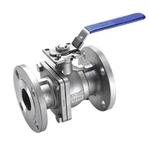
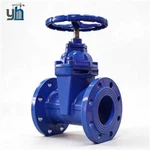


Carbon Steel Flanged Wafer Check Valve
Custom orders are accepted, FOB pricing runs US $14.49 per piece, min. order 100 pieces.
Carbon Steel Flanged Wafer Check Valve
Steam headers that must not condense and flow back
On a pumping or process run, the check valve belongs at steam, water and industrial lines, guarding against reverse flow without needing any external signal or power to close. Near the discharge point the valve leaves enough clearance for the disc to travel and for a wrench on the flange bolts; cramped skids often force a wafer body where a flanged one would not fit. Line size is set from flow calculations, and the class is matched to peak pressure including any trip surge before the valve is committed. The spare matches the installed main.
The listed size band and working rating are shown in the table below for reference before selection.

Carbon steel casting for heated condensate duty
Housing metal on this entry is Carbon Steel; it carries internal pressure, stem or hinge loads and the occasional wetting from the surrounding line. The soft seat or metal seat contacts the fluid, and the closure follows the flanged or wafer one-way body for heated line service noted on the listing. Seat and body are selected together, since the fluid that wears the insert can also attack the shell. External surface stays plain as delivered; paint or wrapping follows the plant's corrosion practice after fit-up. Wall thickness carries internal pressure and small loads from clips and supports, and castings with surface flaws are rejected before the seat is fitted. Mixed-material entries require confirming which metal contacts the fluid, since shell and wetted parts can differ. The body metal is matched to the most aggressive fluid expected on the run rather than the cleanest sample, because wetted surfaces see pumped product continuously while the shell only meets ambient moisture and occasional spray during access.
Two end forms on steam and water branch runs
The end connection listed is Flanged, Wafer. A wafer pattern clamps between two mating flanges on the line, held by the flange bolts that pass through the body ears, so the valve itself carries no separate flange ring.
| Row | Fact |
|---|---|
| Product family in the catalog | Wafer Check Valve |
| Catalog class shown for the piece | Wafer Check Valve |
| How the ends join the line | Flanged, Wafer |
| Approval reference on the entry | ANSI |
| What the body is cast or made from | Carbon Steel |
| Working rating across the bore | Pn10, Pn16 |
| Nominal bore range covered | DN50-DN200 |
| Drawing number carried by the piece | DN50-DN200 |
| Listed service sector for the valve | Industrial Usage, Water Industrial Usage, Household Usage |
Seat under thermal cycling and steam pressure
Forward pressure lifts the disc and opens the bore; the flow holds it open while the line runs. On trip, pressure drop or downstream pushback, the disc returns to the seat and seals the reverse path. The class is set against maximum pressure with surge included, not average running pressure. Over cycles the hinge and guide surfaces carry the load and show first wear. A slow closure builds a pressure wave; a slammed disc pulses adjacent piping, and seat style sets how gently the return happens. Spares are noted by bore, end form and rating so a replacement matches the line rather than generic stock. Over repeated cycles the hinge surfaces and guide faces take the brunt of the movement, and these parts show wear before the housing does, so a rattle or chatter should be traced to pin, guide or seat before any decision to replace the casting. The setting follows the project drawing.
The maintenance store groups spares by bore and end form rather than by stock number. Seat inserts, hinge pins and guide surfaces are the items that wear first, and buyers keep these on hand for the sizes worked on most often instead of holding a complete spare check valve for every diameter. A slow-developing rattle usually means grit on the seat or a worn pin, and addressing these early avoids a weep that appears only after the pump trips off. Body castings that have held pressure seldom need replacement once the sealing parts are renewed.
Bore is chosen from the listed diameter band against calculated line flow, and the pressure class is matched to the maximum pressure the line reaches during start-up, trip and shut-down rather than its steady running figure. Buyers note end form, seat compound and rating when a spare is ordered, so the replacement matches the installed main instead of a generic stock piece. Notes go in the maintenance record.
Before the valve enters the run, crews match the end type to the adjacent flange or weld preparation and check that the moving element travels freely between the closed and open stops. Sealing faces are wiped clean of grit, and thread or flange protectors stay on until the joint is ready to close, so no debris lodges between seat and closure during commissioning. The first pressure test after fit-up reveals any weep early, before the line is handed over to operation.
Seat problems surface on the initial test before any body weakness appears, and the record should note bore, end form and rating when the sealing part is replaced so the spare matches the installed main.
Steam main spares grouped by DN and class
Across DN50-DN200 the rating sits at Pn10, Pn16; the drawing should be checked for bore, end form, seat material and class before the order is cut. The listing records ANSI as the standard reference. A trial order can start with one piece where the listing allows; the price bracket and delivery window are settled with the quotation once bore, end form and quantity are confirmed.
Hot Tags: Carbon Steel Flanged Wafer Check Valve, China Carbon Steel Flanged Wafer Check Valve manufacturers, anti backflow valve, brass check valve, high durability check valve, high pressure check valve, hydraulic check valve, low pressure check valve
You Might Also Like


Send Inquiry