



Stainless Steel Wafer Check Valve Pn16
It uses a soft seat or metal seat to stop backflow, commonly applied in industrial, water and household systems. Lead time is about 15 days, MOQ 100 pieces.
Stainless Steel Wafer Check Valve Pn16
Where the flap sits behind the pump outlet
The listed duty is industrial, water, household, and this wafer check valve sits at pump discharge on a water transfer skid, where forward flow opens the disc and any reversal closes it again. Access and straight-run space decide where the check lands on the skid or main, since a disc needs room to lift and a seat needs room to be inspected later. The bore follows calculated flow, and the rating is checked against the highest pressure reached during start-up, trip and shut-down rather than the steady running figure. Access should be planned before install.
Size and rating entries appear in the table further down the page for comparison with the line.
Stainless body against pumped water and condensate
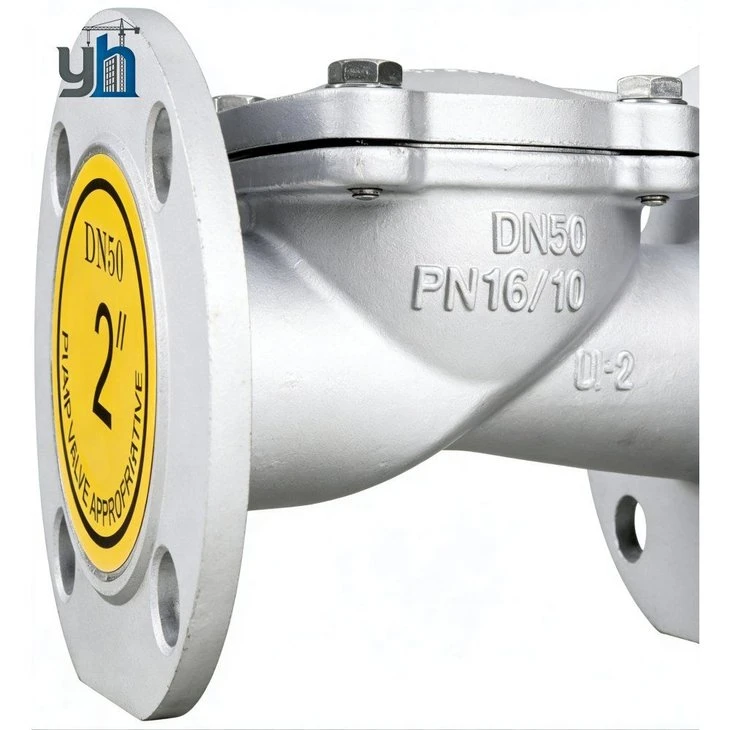
The material sees both the pumped or flowing fluid and the occasional external spray in the plant; buyers match the body metal to the most aggressive fluid on the line rather than the cleanest sample. Where the duty carries grit or condensate, crews look at the seat first, since a worn seat shows up as a weep after shut-down and the body itself often still has service left in it. The metal surface stays plain as supplied; any paint, wrapping or external coating follows the plant's own corrosion practice once the piece enters the line. Body wall thickness carries internal pressure and the small external loads from clips or supports, and a casting with surface flaws is rejected before assembly reaches the seat. In mixed-material listings the buyer confirms which metal contacts the fluid, because the external shell and the wetted parts can differ on the same entry. The body metal is matched to the most aggressive fluid expected on the run rather than the cleanest sample, because wetted surfaces see pumped product continuously while the shell only meets ambient moisture and occasional spray during access.
Wafer end squeezed between two line flanges
The listed end form is Wafer. Wafer bodies sandwich between flanges and rely on the line bolts through the body ears, while flanged ends bolt a ring to a matching flange through a gasket. End type follows the spool drawing; a mismatch means an adaptor or reducer that delays the joint.
| Entry | Figure |
|---|---|
| End form matched to the spool | Wafer |
| Listed service sector for the valve | Industrial, Water, Household |
| Drawing number carried by the piece | DN50–DN200 |
| Pressure class the body carries | Pn10, Pn16 |
| Construction metal of the housing | Stainless Steel |
| Product family in the catalog | Wafer Check Valve |
| Size band the listing spans | DN50–DN200 |
| What the valve family is listed as | Check Valve |
| Approval reference on the entry | ANSI |
Backflow closure when the pump trips off
Forward pressure lifts the disc and opens the bore; the flow holds it open while the line runs. On trip, pressure drop or downstream pushback, the disc returns to the seat and seals the reverse path. The class is set against maximum pressure with surge included, not average running pressure. When the check chatters after long service, crews clean the sealing face, check the guide for grit and turn over the insert before condemning the body. A worn pin or guide face is the usual cause of a rattle, and these parts renew far cheaper than a housing replacement. The pressure class on the listing is chosen against peak surge, so a class picked on average pressure may weep when reversal arrives. Over repeated cycles the hinge surfaces and guide faces take the brunt of the movement, and these parts show wear before the housing does, so a rattle or chatter should be traced to pin, guide or seat before any decision to replace the casting. Check the seat at each inspection.
Renewal parts follow the wear path rather than the casting itself. Hinge pins, guide faces and inserts are stocked for the most cycled sizes, and a spare seal travels beside the replacement disc in the store. Long-service chatter is traced to grit or a worn pin before the body is questioned, and sealing parts are renewed without pulling the whole valve. The closure stays dependable across cycles when these inspections are kept on schedule.
Fluid temperature and particle load set which seat compound or closure style suits the duty, and the listing records these limits against the valve class on the project drawing. Where the medium carries grit or condensate, the seat is examined more often than the body shell, since the insert wears first under cycling. Compare the drawing to the listing before commitment.
Installers verify the end connection against the neighboring pipe, confirm the closure travels through its full stroke, and keep protectors and wrapping on until the joint closes. The sealing surface is inspected for trapped dirt before pressure reaches the seat, and any weep noted on the initial test is logged against the seat insert rather than the housing. Routine inspections then focus on the wear parts rather than the casting itself.
Weeping after shut-down usually traces to the seat rather than the casting, and a worn insert or trapped grit on the sealing face is renewed on the next inspection rather than waiting for a full valve pull.
Matching bore, rating and seat before the order
Size runs DN50–DN200 and the rating covers Pn10, Pn16; the order should confirm bore, end form, seat type and pressure class against the piping drawing. The listing records ANSI as the standard reference. A small trial order is acceptable where the listing allows; the bracket and delivery time are quoted against bore, end configuration and quantity.
Hot Tags: Stainless Steel Wafer Check Valve Pn16, China Stainless Steel Wafer Check Valve Pn16 manufacturers, Brass Wafer Check Valve, high durability check valve, high pressure check valve, high temperature check valve, low pressure check valve, valve system check component
Previous
No InformationYou Might Also Like


Send Inquiry