




Cast Iron Balancing Valve
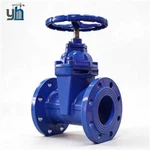
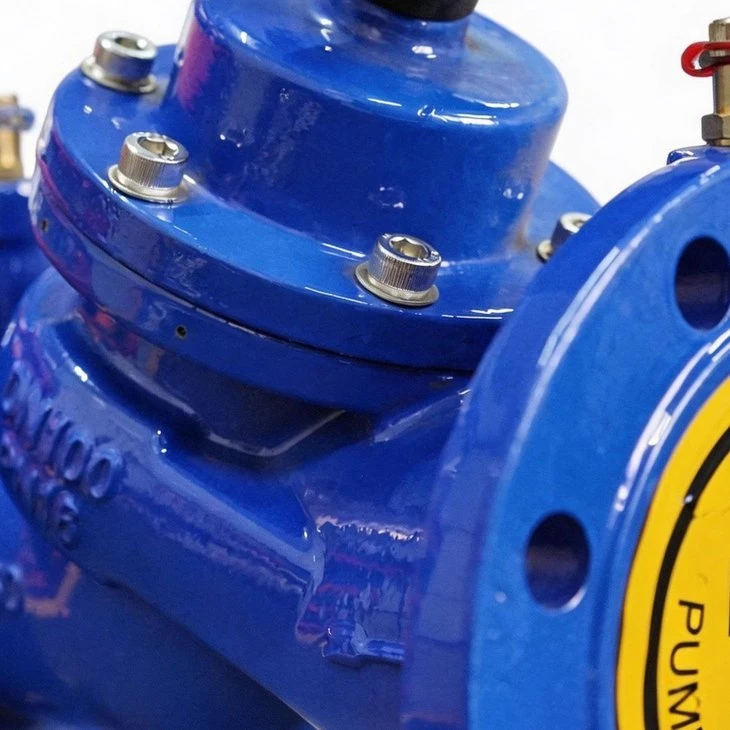
It carries an epoxy coating over 250 um thick in a customizable blue color. Monthly output is about 10,000 pieces, lead time 7 to 15 days, FOB price from US $28 per piece.
Cast Iron Balancing Valve
Near terminals run hot. Far ones run cold. That gap is what the SBV-002 closes: a manual balancing valve fitted into HVAC, water and heating circuits to set flow at each branch. Flanged ends, cast iron body, DN50 through DN600, EPDM or NBR seat. Once the handwheel or adjustment screw sets the opening, the passage delivers designed flow to that riser or zone; the nearest circuit stops over-supply, the far one stops under-supply. Epoxy covers the body at ≥250 um, blue by default, colour customizable on request. Building HVAC, municipal water systems and heating systems are the applications. Monthly capacity 10,000 pieces; lead time 7 days for 1–100 pieces, 15 days for 101–200 pieces, FOB US $28 per piece, MOQ 1 set / 1 pc.
| Spec | Figure |
|---|---|
| Body material | Cast Iron |
| Model reference | SBV-002 |
| Size range | DN50–DN600 |
| End connection | Flanged |
| Typical use | HVAC, Water, Heating |
| Category | Control Valve |
| Product type | Balance Valve |
| Pressure rating | - |
| Standards / certification | - |
| Brand | YH |
| Place of origin | China |
| Delivery window | 7 days (1–100 Pieces); 15 days (101–200 Pieces); to be negotiated (>200 Pieces) |
| FOB range | US $28 / Piece |
| Minimum order | 1 Set / 1 PC |

Plug, seat and actuator
The body encloses a flow passage with an adjustable plug or cone moved by the manual actuator. Turn the actuator, the gap between plug and seat changes, branch resistance changes, and flow through it changes with it. The EPDM or NBR seat seals the closed position; in balanced operation the valve holds a fixed partial opening rather than a tight shut-off.
The actuator can be a handwheel or a screwdriver-adjusted spindle depending on size; once set, the plug holds its position against normal line pressure changes. Flanged ends bolt to companion pipe flanges; the body casting carries pressure load without external bracing. Epoxy over the casting protects against surface corrosion in humid plant rooms and buried or semi-exposed runs. Measurement ports, where fitted on the supplied configuration, let a commissioning engineer read differential pressure across the plug during balancing.
Branch by branch
HVAC contractors place this balancing valve on chilled water and hot water branches serving air handling units, fan coil groups and radiators, so each zone receives the flow its terminal units need. Heating crews use it on return and supply mains of building loops to even out temperature differences between near and far branches. Water system installations apply it to make-up water and circulation lines where branch flow needs trimming after commissioning.
In retrofit work, crews rebalance older loops in stages: one branch at a time, re-checking near and far terminals before moving to the next riser. Return and supply mains in older loops often need rebalancing after terminal units are replaced, since the new equipment shifts the flow split across the riser. The DN50–DN600 range covers small branches through large risers. Seat choice between EPDM and NBR follows medium and temperature; heating loops with higher water temperature are checked against the seat material supplied.

Setting it on site
Mount the valve in an accessible position, actuator and any measurement ports facing the service side. Flange gaskets sit square on both faces; bolts tighten in diagonal sequence to compress the joint evenly. Leave space above the actuator for handwheel access and future removal. Flush the line before putting the balancing valve into service, so weld beads and construction debris do not lodge on the seat.
During commissioning, record actuator position and differential pressure at the port taps, note the number of turns on the commissioning sheet, then lock the setting against accidental turning. Inspect annually for seat weeping and coating damage; re-check the setting after a system rebalance. Actuator position can be marked with a tag on the stem, so crews see at a glance whether the branch is open or trimmed.
Checks before the body ships
Select diameter to match line size, then choose EPDM or NBR seat according to carried medium and temperature. Confirm flanged end pattern against the piping standard on the drawing. As a static balancing valve, it sets flow manually and stays at that setting; in the circuit it acts as the control valve trim for the branch, unlike dynamic units that compensate automatically for pressure swings. Specify blue epoxy ≥250 um, or another colour if the finish schedule calls for it.
Before dispatch, foundry staff inspect body castings, check flange face and bore dimensions, operate the plug through full travel, measure coating thickness on sampled pieces, and verify the EPDM/NBR seat fitted to the order. Quantities above 200 pieces are negotiated per shipment.
Questions buyers ask before ordering
Q: What size range does this balancing valve cover? A: Model SBV-002 runs DN50 through DN600 with flanged ends and a cast iron body. Send line size, medium and temperature to confirm seat material.
Q: What coating and seat are standard? A: Epoxy at ≥250 um, blue by default, colour customizable. Seat is EPDM or NBR depending on medium; confirm compatibility before ordering non-water fluids.
Q: What are MOQ and delivery terms? A: MOQ 1 set / 1 pc at FOB US $28 per piece. 1–100 pieces ship about 7 days, 101–200 pieces about 15 days, above 200 negotiated separately.
Hot Tags: Cast Iron Balancing Valve, China Cast Iron Balancing Valve manufacturers, air line pressure reducer, building water pressure regulator, Direct Acting Pressure Reducing Valve, pressure reducing valve, pressure reducing valve diaphragm, Water Supply Stainless Steel Pressure Reducing Valve
Previous
No InformationYou Might Also Like


Send Inquiry