



Piston‑type Pressure Reducing Valve
What This Valve Does (and What It Doesn't)
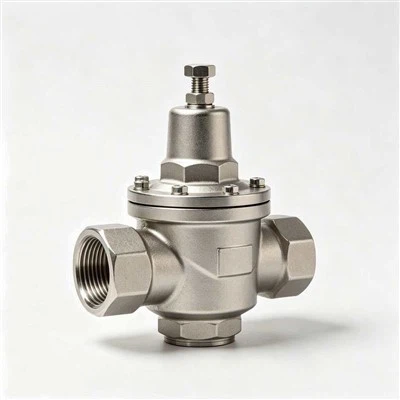
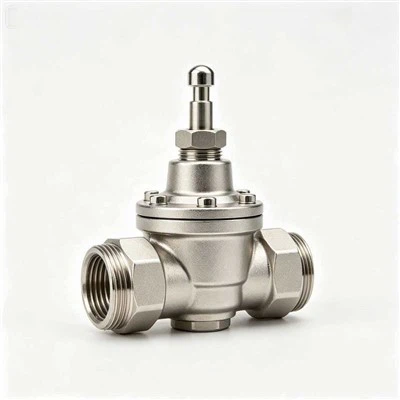
This is a flanged piston-type pressure reducing valve (Y43H-16C, WCB carbon steel body, PN16). It takes a higher inlet pressure - up to 1.6 MPa - and holds a steady lower pressure downstream, no matter how much the inlet fluctuates. It is for steam first, water and compressed air second. What it is not: it is not a shut-off valve, and it will not protect you from a pressure surge coming the other way.
How the Piston Mechanism Works
The valve is made of a main valve and a pilot. The pilot senses the outlet pressure through a diaphragm and opens or closes a small passage, which moves the piston up or down. The piston then changes the flow area of the main seat. You set the outlet pressure by turning the adjusting screw on top - no need to stop the line. Because the piston does the heavy lifting instead of a soft diaphragm, the seat load stays even and the valve holds its setting much longer than spring-only designs.
Where We See It Installed Most
In practice, most of these go into boiler rooms and steam mains - dye houses, food processing lines, hospitals and pharmaceutical plants. You will also find them in high-rise water supply and air compressor stations. If you are buying for a steam system, tell us the boiler pressure and the pressure your equipment actually needs; that single piece of information decides the whole selection.
Three Selection Mistakes We See Repeatedly
① Using a water-type reducing valve on steam. The rubber seat softens above 120°C and the valve silently fails. ② Trying to cut too much pressure in one stage - if your drop is over 0.6 MPa, do two stages in series, not one. ③ Skipping the strainer and separator upstream. Steam carries scale and water droplets; without a Y-strainer and a separator, the seat erodes in months, and no valve design survives that.
One more practical note: when setting outlet pressure, close the downstream valve first, turn the screw to your target, then open the downstream valve slowly. This is the correct start-up sequence and it saves a lot of seat damage.
Quality, Packing and Lead Time
Every valve is shell-tested at 1.5× rated pressure and seat-tested at the rated pressure before packing, with the test record kept per batch. DN15–DN50 go in cartons, DN65 and above in plywood crates, all with desiccant and rust-preventive coating for sea freight. Standard sizes ship 15–25 days after deposit confirmation; a 20ft container holds roughly 1,200–1,500 pcs depending on size mix. If you need a third-party inspection before shipment, we can arrange it at the factory.
| Model | Y43H-16C |
| Size range | DN15 – DN200 (flanged) |
| Body material | PN16 / 1.6 MPa |
| Seat sealing | Cr13 stainless steel, metal-to-metal |
| Media | Steam (≤200°C), water, compressed air |
Hot Tags: piston‑type pressure reducing valve, China piston‑type pressure reducing valve manufacturers, Piston Pressure Reducing Valve, pressure reducing valve, pressure reducing valve diaphragm, valve, water pressure reducing valve, Water Supply Stainless Steel Pressure Reducing Valve
You Might Also Like


Send Inquiry