






Serrated Ductile Iron Deck Grate
Custom panel sizes are available. FOB price US $1.9-10 per piece, minimum order 10 pieces.
Serrated Ductile Iron Deck Grate
Serrated bar grip on wet quay walking lines
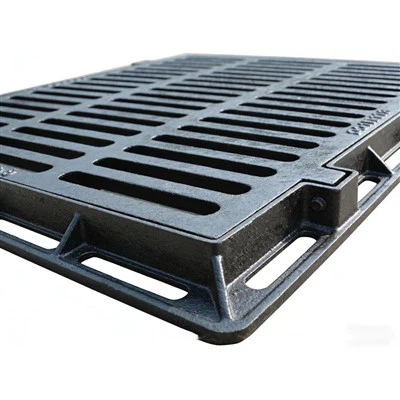
This grate carries a serrated bar surface along wet quay-side walking lines, where salt spray, rain wash and occasional cargo spillage leave the walking surface slick between berth and terminal building. The teeth cut small ridges along the bar top, and those ridges bite into the sole of a boot or the pad of a work shoe when the surface is wet, giving grip that a smooth flat bar cannot match on a damp apron. The panel spans the drainage slot along the walkway edge, and the open mesh passes runoff through to the channel below instead of pooling on the walking band. Crews hook lashings, move hose reels and step off trailers along these routes, and the toothed surface keeps their footing steady when the apron glistens after a washdown. The listed panel measures 1.22x3.66 m, and the ductile iron body carries pedestrian and light crew traffic along the berth line. Berth-edge routes also see hose reels and cable coils moved along them, and the mesh clears those items as they pass.
Toothed ridges grip wet boot soles. Mesh passes runoff instead of pooling on the apron.
Open mesh that sheds standing water
The open construction of the grate is what keeps the quay route from holding standing water: openings between bars let rain and spray fall through to the trench, so the walking surface dries between washdown passes rather than staying slick all shift. A solid cover plate would hold that wet film and turn the route into a slip hazard, and a mesh panel instead leaves only the bar tops wet, with most of the water dropping below. Salt air around harbor water ages ferrous surfaces through pitting, and the galvanized finish on the ductile iron body slows that oxidation cycle without oxide wash staining the adjacent concrete. Mesh spacing on the panel follows the listed layout, and edge bars along the walkway rim sit flush with the paving so a sideways step meets no upstand lip. Where the route crosses a service crossing, the panel section there is seated on level ledges and checked for rocking after heavy spray.
Openings shed standing spray below the walkway. Galvanizing slows salt-air pitting on the iron.

Panel span across terminal drainage slots
Terminal drainage slots run along berth edges, between stacking rows and beside service buildings, and the grate panel bridges each slot with edge bars resting on the trench ledge at either side. Span between those ledges sets the bar depth needed for the load, and on this pedestrian route the panel carries foot traffic rather than truck axles, so the standard 1.22x3.66 m section suits the slot width where ledges sit at the listed panel proportions. Bearing bars run along the channel length, transferring crew weight toward the side supports, and cross bars hold those bearing bars in alignment so the mesh does not fan out under repeated steps. Panel ends butt along the slot with narrow seams, and corners where the grate meets a threshold or apron joint are trimmed square to that edge. Routine terminal rounds lift a panel now and then to confirm the channel below is not choked with silt or lashing debris.
Bearing bars run along the channel. Panel ends butt in narrow seams along the slot.
| Mesh | Record |
|---|---|
| Listed dimensions | 1.22x3.66 m panel |
| Body material | Ductile Iron |
| Product category | Grating |
| Listed form | - |
| Certification record | - |
| Intended service | - |
| Load class band | - |
| Model reference | - |
| Edge and joint form | - |
Surface choice between plain and toothed bars
Where a quay route stays mostly dry or takes only vehicle wheel passage, a plain bar top is enough, but sections exposed to spray and foot traffic benefit from the serrated edge because the teeth keep grip on a wet day. The listing here marks the serrated surface as the defining feature, and buyers comparing against plain-bar panels usually weigh the grip benefit against the slightly rougher feel underfoot. The ductile iron body behind the toothed surface is the same material family used across the terminal panel range, so replacement sections mix in without a material mismatch. Surface finish stays galvanized as supplied; any paint or seal coat follows the terminal's own corrosion practice once the panels enter service. The type field, model reference, certification record, intended service, joint form and pressure class carry no assigned value on the source listing, so those entries are settled against the quay walkway drawing.
Toothed bars suit wet foot routes; plain tops serve dry vehicle sections. Open fields follow the site drawing.
Quayside panel order basis
The listed bracket runs US $1.9-10 per piece, ten pieces being the order floor; production timing follows the quotation, and panels carry the YH mark made in China. Custom panel sizes and cell layouts are accepted where the quay walkway geometry falls outside the standard family. Before packing, the shop checks panel dimensions, tooth condition along each bar and edge seating across the section, and rim protectors keep the galvanized finish intact through loading to the berth. Where the tender calls for a certification record or a load class figure, that detail is confirmed against the terminal drawing rather than assumed from the material.
Ten pieces starts the batch. Tooth condition and edge seating are checked before packing.
Hot Tags: Serrated Ductile Iron Deck Grate, China Serrated Ductile Iron Deck Grate manufacturers, Anti Clog Drain Grate, Anti slip Steel Grating Drain Grate, cast iron storm grate, curb inlet grate, drainage channel storm grate, traffic load storm grate
You Might Also Like



Send Inquiry