






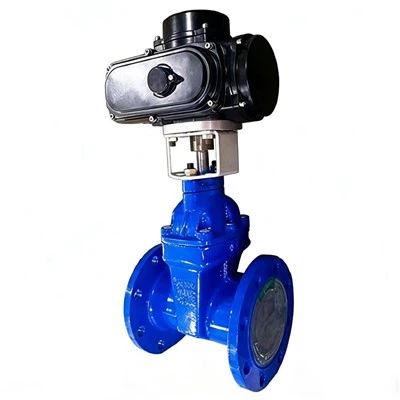
Cast Iron Non Rising Stem Gate Valve
Custom sizes are accepted and OEM is welcome. FOB price runs from US $20-399 per piece, MOQ 5 pieces.
Cast Iron Non Rising Stem Gate Valve
Tight skid compartments where the stem must stay hidden
At cooling water systems and pump skids the gate valve serves as the block valve that crews close before pump, filter or line work, sealing the bore until the job is done. The block valve sits between the running main and the equipment to be serviced, so closing it isolates pumps, filters or exchangers without draining the whole run. Wedge sealing works on both sides of the bore, and body and bonnet share the dead-end pressure evenly. Size and rating are set from the listed band and maximum pressure, with transient surge included in the class choice. Check the seat at each inspection.
Bore and pressure figures are set out in the table that follows the body description on this entry.

Cast iron body on cooling water and return runs
The body listed as Cast Iron forms the pressure shell around the wedge and stem. Seat rings are fitted inside the housing, and wedge sealing inside the stem housing describes the wedge style on the entry. Solid, flexible and split wedges behave differently under cycling and misalignment, and the chosen style follows the duty listed for the line. Before bonnet and wedge are fitted, the casting is checked for surface flaws and bore dimensions, and sealing faces are matched to the seat ring. External corrosion resistance follows the housing metal, and a spare wedge and packing set covers the most cycled sizes without stocking a complete valve per diameter. Bonnet bolts go cross-sequence so the housing seats evenly on the body flange. The wedge, rings and packing share the sealing duty while the shell carries pressure, and buyers keep spare wedge and packing sets for the most cycled sizes rather than holding a complete valve for every diameter on the line.
Flanged or butt weld end to the skid manifold
The connection listed is Flanged (RF, RTJ), Butt Weld (BW). Raised-face and ring-joint flanges bolt to matching line flanges through a gasket, while butt weld ends prepare a bevel that fuses to the pipe in a rigid joint.
| Entry | Figure |
|---|---|
| Listed type of the assembly | Gate Valve |
| What the valve family is listed as | Gate Valve |
| Duty the piece is assigned to | Industrial, Water Industrial, Household |
| What the body is cast or made from | Cast Iron |
| Working rating across the bore | Pn10 / Pn16 |
| Standard record attached to the listing | GB, DIN, JIS, BSW, ANSI |
| Drawing number carried by the piece | - |
| Nominal bore range covered | DN50-DN200 |
| End form matched to the spool | Flanged (RF, RTJ), Butt Weld (BW) |
Non-rising stem recessed below the handwheel
Turning the stem raises the wedge out of the bore, leaving a full unobstructed passage, and lowering it drops the wedge into the seat rings to isolate the line. The valve is meant for open-or-closed service rather than continuous throttling. On OS&Y designs the rising stem shows wedge position; non-rising versions hide the wedge under the handwheel. Seats hold their seal on clean faces and even bonnet torque, and the post-install test catches weep before handover. Wedge and seat are rebuilt on site where possible, and spares are grouped by diameter into wedge, packing and seal sets. Pressure on the seated wedge acts from both sides, and body, bonnet and neck carry that load cycle after cycle without permanent deflection, provided the seat faces stay clean and the bonnet bolts hold even torque around the housing. Access should be planned before install.
Spare parts track the working parts inside the housing. Wedge, seat ring and stem packing are stocked for the sizes cycled most often on the line, and the packing is renewed on a slow drip before any weep reaches the flange joints or the bonnet seal. When the gate has been partly open and throttling for a stretch, crews inspect the wedge and seat faces for scoring before the next isolation duty is assigned to the valve. A rebuilt wedge usually returns to service, while a scored seat ring is replaced rather than lapped back into shape.
At each scheduled inspection the closure edge, seat face and hinge, guide or bearing surfaces are wiped clean and checked for scoring or play, and any soft seal showing a mark or permanent set is renewed before the next season of service. The record lists bore, end form and class for the replacement part. Small renewals keep the valve on the line.
Commissioning follows a simple check list: end form against the spool drawing, free movement of the closure from stop to stop, clean sealing faces and an even gasket or weld preparation at the joint. Once the line is pressurized, crews watch the seat and the packing area for weeping, and any soft seal is replaced before the valve is accepted into regular service. These checks take far less time than pulling a failed valve off an installed main.
A weeping joint is more often a worn seal than a cracked housing, and inspecting the insert, guide and seat face early keeps the closure dependable through repeated start-up and shut-down cycles without pulling the whole valve.
Cooling water spares by bore and pressure class
The listed bore band is DN50-DN200 and the pressure band is Pn10 / Pn16; bore, end form, seat and class are checked against the piping drawing before commitment. The listing records GB, DIN, JIS, BSW, ANSI as the standard reference. One piece can open a trial order; the quotation sets the price bracket and delivery window after bore, end form and quantity are confirmed.
Hot Tags: Cast Iron Non Rising Stem Gate Valve, China Cast Iron Non Rising Stem Gate Valve manufacturers, flanged gate valve, Flanged Non rising Stem Gate Valve, industrial flow isolation valve, mechanical gate valve, pressure rated gate valve, water valve
You Might Also Like


Send Inquiry