

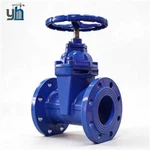


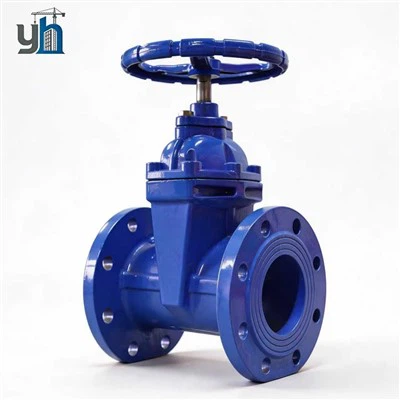
Cast Iron Flanged Wedge Gate Valve
Custom sizes are accepted and OEM is welcome. FOB price runs from US $20-399 per piece, MOQ 5 pieces.
Cast Iron Flanged Wedge Gate Valve
Process and bilge piping aboard a new vessel
This wedge gate valve is put to work at shipbuilding and industrial process lines, where the line needs a positive open-or-closed isolation rather than fine throttling. Around the boiler or process block this gate sits on the feed line, the drain branch or the isolation main, and crews close it before opening a pump, filter or heat exchanger for work. The wedge must seal both sides of the bore, so the body and bonnet carry pressure evenly when the line is dead-ended. Sizes are chosen from the listed diameter band, and the rating follows the maximum line pressure including any transient surge from pump trip or valve slam. The spare matches the installed main.
The listed size band and working rating are shown in the table below for reference before selection.

Cast iron wedge body for shipboard duty
The body listed as Cast Iron forms the pressure shell around the wedge and stem. Seat rings are fitted inside the housing, and soft-seal wedge on the seat ring describes the wedge style on the entry. Solid, flexible and split wedges behave differently under cycling and misalignment, and the chosen style follows the duty listed for the line. Before bonnet and wedge are fitted, the casting is checked for surface flaws and bore dimensions, and sealing faces are matched to the seat ring. External corrosion resistance follows the housing metal, and a spare wedge and packing set covers the most cycled sizes without stocking a complete valve per diameter. Bonnet bolts go cross-sequence so the housing seats evenly on the body flange. The wedge, rings and packing share the sealing duty while the shell carries pressure, and buyers keep spare wedge and packing sets for the most cycled sizes rather than holding a complete valve for every diameter on the line.
RF, RTJ or BW end to the ship's piping spec
Joining method listed is Flanged (RF, RTJ), Butt Weld (BW). Flanged ends bolt a ring to the mating flange through gasket, and weld ends prepare a bevel for fusion to the pipe. End selection matches the piping drawing, and flange rating and face are checked against adjacent valves and fittings on the same main.
| Component | Reading |
|---|---|
| Standard record attached to the listing | GB, DIN, JIS, BSW, ANSI |
| End form matched to the spool | Flanged (RF, RTJ), Butt Weld (BW) |
| Pressure class the body carries | Pn10 / Pn16 |
| Listed type of the assembly | Gate Valve |
| Nominal bore range covered | DN50-DN200 |
| Duty the piece is assigned to | Industrial, Water Industrial, Household |
| Model reference on the listing | - |
| Construction metal of the housing | Cast Iron |
| What the valve family is listed as | Gate Valve |
Soft-seal wedge under vibration and motion
The wedge lifts clear of the bore on stem rotation for a full passage, then drops into the rings to seal isolation. Continuous throttling is not the service these valves are built for; partly open wedges rattle under flow and score the faces over time. On OS&Y designs the rising stem shows wedge position; non-rising versions hide the wedge under the handwheel. Seats hold their seal on clean faces and even bonnet torque, and the post-install test catches weep before handover. Wedge and seat are rebuilt on site where possible, and spares are grouped by diameter into wedge, packing and seal sets. Pressure on the seated wedge acts from both sides, and body, bonnet and neck carry that load cycle after cycle without permanent deflection, provided the seat faces stay clean and the bonnet bolts hold even torque around the housing. The setting follows the project drawing.
The store lists spares by wedge and bonnet parts, not by complete valve. Packing sets, wedge seals and rings cover the diameters closed most often, and bonnet bolts are re-torqued cross-sequence after packing renewal. Stem travel is checked so the spindle seats the wedge at the closed stop before handover. Body castings hold up after rebuild, provided the hydrostatic test still passes.
Bore is chosen from the listed diameter band against calculated line flow, and the pressure class is matched to the maximum pressure the line reaches during start-up, trip and shut-down rather than its steady running figure. Buyers note end form, seat compound and rating when a spare is ordered, so the replacement matches the installed main instead of a generic stock piece. Notes go in the maintenance record.
Before the valve enters the run, crews match the end type to the adjacent flange or weld preparation and check that the moving element travels freely between the closed and open stops. Sealing faces are wiped clean of grit, and thread or flange protectors stay on until the joint is ready to close, so no debris lodges between seat and closure during commissioning. The first pressure test after fit-up reveals any weep early, before the line is handed over to operation.
Seat problems surface on the initial test before any body weakness appears, and the record should note bore, end form and rating when the sealing part is replaced so the spare matches the installed main.
Yard spares ordered by DN and Pn rating
Size runs DN50-DN200 and the rating covers Pn10 / Pn16; the order should confirm bore, end form, seat type and pressure class against the piping drawing. The listing records GB, DIN, JIS, BSW, ANSI as the standard reference. A trial order can start with one piece where the listing allows; the price bracket and delivery window are settled with the quotation once bore, end form and quantity are confirmed.
Hot Tags: Cast Iron Flanged Wedge Gate Valve, China Cast Iron Flanged Wedge Gate Valve manufacturers, Flanged Non rising Stem Gate Valve, gate valve, pressure rated gate valve, process line gate valve, wastewater gate valve, Worm Gear Gate Valve
You Might Also Like


Send Inquiry