



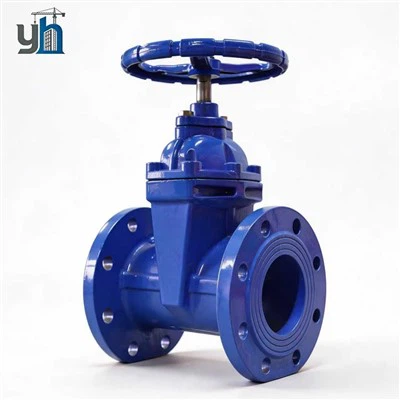
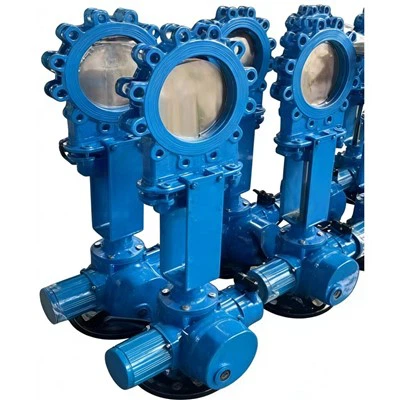
OS&Y Wedge Cast Iron Gate Valve
Custom orders are accepted, FOB pricing runs US $20-399 per piece, min. order 5 pieces.
OS&Y Wedge Cast Iron Gate Valve
Block valves along petrochemical feed and drain lines
Isolation duty on this run falls to the wedge gate at petrochemical and industrial isolation lines, where crews need a valve that seals fully open or fully closed rather than a regulating trim. Around the boiler or process block this gate sits on the feed line, the drain branch or the isolation main, and crews close it before opening a pump, filter or heat exchanger for work. The wedge must seal both sides of the bore, so the body and bonnet carry pressure evenly when the line is dead-ended. Sizes are chosen from the listed diameter band, and the rating follows the maximum line pressure including any transient surge from pump trip or valve slam. Check the seat at each inspection.
Bore and pressure figures are set out in the table that follows the body description on this entry.

Cast iron housing for plant isolation duty
The housing is listed as Cast Iron, the casting that carries internal pressure, stem loads and the occasional external load from supports or clips along the main. The wedge seals against the body seat rings; the listing notes wedge sealing with soft or metal seated option. Inside the housing the wedge, rings and packing do the sealing while the shell carries pressure. Solid wedges cycle steadily, flexible wedges follow flange misalignment, and split wedges share the load across two faces. Packing renews on a drip, and seat rings are checked for scoring at each maintenance opening. The wedge, rings and packing share the sealing duty while the shell carries pressure, and buyers keep spare wedge and packing sets for the most cycled sizes rather than holding a complete valve for every diameter on the line.
RF, RTJ or BW ends matched to plant flange spec
The connection listed is Flanged (RF, RTJ), Butt Weld (BW). Raised-face and ring-joint flanges bolt to matching line flanges through a gasket, while butt weld ends prepare a bevel that fuses to the pipe in a rigid joint.
| Group | Content |
|---|---|
| Listed type of the assembly | Gate Valve |
| How the ends join the line | Flanged (RF, RTJ), Butt Weld (BW) |
| Size band the listing spans | DN50, DN100, DN200 |
| Model reference on the listing | - |
| Approval reference on the entry | GB, DIN, JIS, BSW, ANSI |
| What the valve family is listed as | Wedge Gate Valve |
| Duty the piece is assigned to | Industrial Usage, Water Industrial Usage, Household Usage |
| What the body is cast or made from | Cast Iron |
| Working rating across the bore | Pn10/Pn16 |
Wedge and OS&Y stem under process pressure
Pressure acts on the wedge from either side once seated, and the body, bonnet and flange neck carry that load without permanent deflection. Wedge sealing depends on clean seat faces and even torque around the bonnet; grit left on a seat ring leaves one side under-sealed, and a hydrostatic test after fit-up shows any weep before the run is handed over. Stem packing keeps the line sealed around the rising or non-rising spindle and is replaced when it starts to drip. On OS&Y designs the rising stem shows wedge position; non-rising versions hide the wedge under the handwheel. Seats hold their seal on clean faces and even bonnet torque, and the post-install test catches weep before handover. Wedge and seat are rebuilt on site where possible, and spares are grouped by diameter into wedge, packing and seal sets. Pressure on the seated wedge acts from both sides, and body, bonnet and neck carry that load cycle after cycle without permanent deflection, provided the seat faces stay clean and the bonnet bolts hold even torque around the housing. Access should be planned before install.
Renewal parts follow wedge, ring and packing rather than the shell. These are held for the most cycled diameters, and packing is renewed before a drip reaches the joints. A wedged valve that has throttled gets its faces inspected for scoring before the next isolation run, and a scored ring is replaced rather than lapped back. The casting keeps service once wedge and rings are rebuilt and the test still holds.
At each scheduled inspection the closure edge, seat face and hinge, guide or bearing surfaces are wiped clean and checked for scoring or play, and any soft seal showing a mark or permanent set is renewed before the next season of service. The record lists bore, end form and class for the replacement part. Small renewals keep the valve on the line.
Commissioning follows a simple check list: end form against the spool drawing, free movement of the closure from stop to stop, clean sealing faces and an even gasket or weld preparation at the joint. Once the line is pressurized, crews watch the seat and the packing area for weeping, and any soft seal is replaced before the valve is accepted into regular service. These checks take far less time than pulling a failed valve off an installed main.
A weeping joint is more often a worn seal than a cracked housing, and inspecting the insert, guide and seat face early keeps the closure dependable through repeated start-up and shut-down cycles without pulling the whole valve.
Plant isolation spares by size and standard
Bore DN50, DN100, DN200 under rating Pn10/Pn16 is the listed range; confirm end form, seat type and pressure class against the project drawing before ordering. The listing records GB, DIN, JIS, BSW, ANSI as the standard reference. One piece can open a trial order; the quotation sets the price bracket and delivery window after bore, end form and quantity are confirmed.
Hot Tags: OS&Y Wedge Cast Iron Gate Valve, China OS&Y Wedge Cast Iron Gate Valve manufacturers, Electric Industrial Gate Valve, flanged knife gate valve, flexible wedge gate valve, full bore gate valve, gate valve, process line gate valve
You Might Also Like


Send Inquiry