






Resin Anti-slip Gully Grate Panel
We make about 10,000 pieces a month, lead time near 15 days. 3 year warranty, FOB price from US $1.9 per piece.
Resin Anti-slip Gully Grate Panel
Wet dock floors and the anti-slip mesh
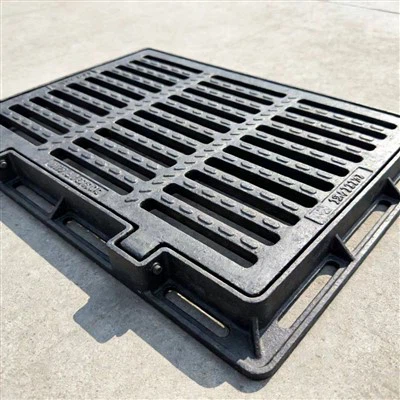
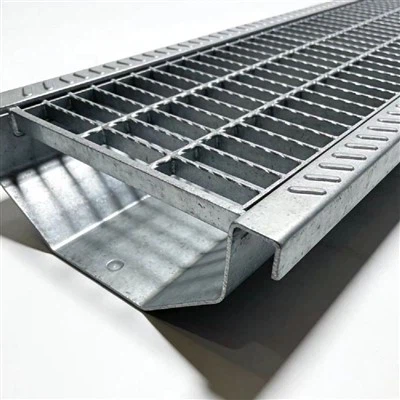
This gully grate covers drainage openings on dock platforms and wet industrial floors, where water, condensate and occasional spray sit on the walking surface and the mesh has to drain it while keeping a sure step underfoot. The listed usage covers drainage and anti-slip service, so the panel carries an open top surface that sheds water rather than a solid plate that puddles, and the resin face stays non-metallic around the salt air and washdown found on marine-side decks. Dock platform grading usually falls toward a channel or sump at the low edge, and the grate sits over that opening to keep boots and wheels off the waterway while surface runoff drops through. Workers on these decks move with tools, hoses and occasional cargo trolleys, so panel edges sit flush with the surrounding floor rather than standing up as a trip lip. The anti-slip character comes from the textured composite face and the mesh pattern, not from a separate coating that wears off under boot traffic and washdown. Where the deck sees repeated hosing, the panel drains between passes instead of holding a wet film on its top surface.
The gully grate sits over the low-edge channel on the dock platform. Mesh drains spray and washdown between passes.
Resin composite panels over platform drains
Body material is resin combined with glass fiber, a composite that stays light for deck handling and tolerates moisture and mild chemical exposure without the rust cycle of a steel panel left outdoors. The panel family measures 1.22 by 3.66 m, cut to the opening required by the platform drawing, and the open mesh spans the drain channel while the rim or edge rests on the surrounding floor structure. Composite panels of this build do not conduct magnetism, which matters near deck electrical runs and instrumentation cabinets that sit alongside platform drains. Setting on a dock deck follows floor preparation: the opening edges are squared, bedding or support ledges are checked level, and the panel drops in without forcing the frame against the floor finish. Over repeated wet cycles the resin body keeps its shape, and the glass fiber reinforcement resists bending across the panel width when trolleys cross the opening. Buyers often compare weight against cast iron grates for the same dock duty; the resin panel handles pedestrian and light platform traffic with far less lifting effort at install and replacement time.
Resin and glass fiber keep the panel light and moisture-tolerant. Edges rest on level support ledges around the opening.
Panel size and edge fit against the curb
The listed panel size is 1.22 by 3.66 m, and dock openings rarely match that standard rectangle exactly, so panels are trimmed to the measured channel width and length before fitting. Edge fit gets particular attention on wet decks: a panel that sits short leaves a gap for toes and hoses to catch, while a panel forced into an undersized opening lifts at one corner and rocks under foot traffic. The platform drawing usually marks the channel run and the drain centers, and the cut lengths follow those centers with the rim resting on the ledge at each side. Mesh spacing should leave openings narrow enough to stop loose deck debris from dropping into the channel but wide enough to keep water moving under flow. Where the grate abuts a concrete curb or steel channel wall, the contact edge is sealed so washdown water does not run down the side gap. A final deck check walks the panel line for flush edges, level seating and a firm non-rocking step before the platform goes back into service.
Standard panels are trimmed to measured opening widths. Flush edges and firm seating are checked on deck.

Salt air and the resin body
Dock-side service puts panels near salt air, periodic seawater splash and washdown detergents, conditions that drive rust pitting on ordinary steel and can stain nearby concrete and deck paint. The resin and glass fiber composite does not corrode in that cycle; its surface does not form oxide that washes onto the deck, and the non-metallic build keeps the panel free of the ferrous staining visible around older iron grates on marine works. Moisture sits on the mesh rather than being absorbed, so the panel dries between washdowns and does not hold a damp film that encourages slip. Composite faces also resist the mild alkalis and cleaning agents used in platform washdown routines, provided the detergent follows the service conditions listed for the site. Over long service the panel is replaced in sections when an edge cracks or a mesh bar loosens, rather than requiring the whole channel frame to be rebuilt. Where local codes require certification records, the listing carries ISO; other class fields remain open on the source sheet and should be confirmed against the project specification.
The composite body avoids rust staining near salt air. Panels are replaced in sections when an edge wears.
| Plate | Note |
|---|---|
| Brand mark | YH |
| Body material | Resin + Glass Fiber |
| Joint form | - |
| Certification record | ISO |
| Minimum order | Min. Order: 10 Pieces |
| Listed form | Grate |
| Product category | Grating |
| Listed dimensions | 1.22×3.66 m |
| Price bracket | US $1.9–10 / Piece |
| Country of origin | China |
| Model reference | - |
| Load class field | - |
| Intended service | Drainage, Anti-Slip |
| Delivery window | 15 days (1–200 Pieces); to be negotiated (>200 Pieces) |
Packing a dock-platform grate order
The listed FOB bracket runs US $1.9 to 10 per piece with a minimum order of 10 pieces, and the delivery window reads 15 days for one to 200 pieces, with orders above 200 pieces negotiated at confirmation. Trademark on the listing is YH, origin is China, and the listed product type is grating with the grate form recorded in the type field. Certification on the source sheet reads ISO; joint form, pressure class and model reference carry no assigned value, and those entries should be matched to the dock drawing before the purchase order is cut. Custom cut sizes and opening layouts are accepted for non-standard platform channels, and panel edges can be dressed to suit concrete, steel or timber support surrounds. Before shipment the shop checks panel dimensions against the listed 1.22 by 3.66 m family, the resin face for surface flaws, and that mesh bars sit firmly in the composite body. A trial order can start at the listed floor quantity; commercial figures sit in the table, and drawings should note opening width, cut length and any special edge treatment before production opens.
Ten pieces is the listed minimum order. The 15-day window covers one to 200 pieces.
Hot Tags: Resin Anti-slip Gully Grate Panel, China Resin Anti-slip Gully Grate Panel manufacturers, curb inlet grate, Debris resistant drain grate, Steel Grating Drain Grate, storm drain grate, storm water inlet cover, surface drainage storm grate
You Might Also Like




Send Inquiry