






Double Eccentric Butterfly Valve
Custom options are accepted, FOB pricing runs US $11-880 per piece, min. order 5 pieces.
Double Eccentric Butterfly Valve
Remote throttling of station cooling water under actuator control
Flow regulation on this main sits with the butterfly at power station cooling water control; the disc turns on its shaft to open, throttle or close the run. Access around the body matters for the actuator or lever: a butterfly in a chamber needs space above the shaft for the drive to turn, and the flange bolting stays clear of the disc edge. These valves appear on cooling loops, fire water mains and service lines, whichever run needs frequent adjustment between open and closed. Access should be planned before install.
Size and rating entries appear in the table further down the page for comparison with the line.

Cast body on the power station cooling loop
The body and disc are listed under Casting; the shell bridges the main while the shaft turns the disc inside. The soft or metal seat on a double-eccentric disc governs shut-off on the listing. A quarter-turn stroke keeps opening and closing fast, and adjustment lands between the two end stops rather than at a fixed intermediate point. The disc, shaft and seal ring are the working parts inside the body; the casting spans the main while the disc turns on the shaft bearings. Soft inserts give a tight shut-off on clean media, and metal seats handle hotter or coarser duty; the choice follows fluid temperature and particle load. Shaft bearings are the first place play appears, and crews check disc edge movement before replacing the seal ring. Disc, shaft and seal ring do the working while the casting spans the main, and bearing pockets are kept free of grit during install so the shaft turns without side play through each quarter-turn stroke.
Wafer end between cooling water main flanges
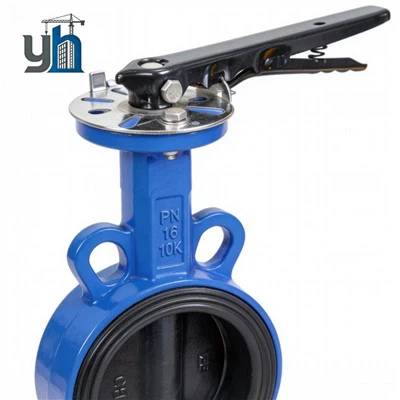
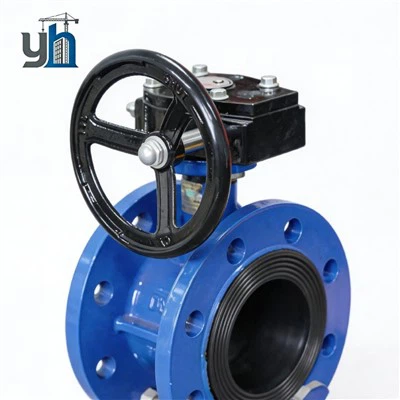
The end form listed is Wafer. Wafer bodies sandwich between two line flanges, and flange bodies bolt their own ring to a matching flange on the main.
| Housing | Setup |
|---|---|
| Listed type of the assembly | Wafer Butterfly Valve |
| What the body is cast or made from | Casting |
| Catalog class shown for the piece | Wafer Butterfly Valve |
| Pressure class the body carries | Pn10, Pn16 |
| End form matched to the spool | Wafer |
| Listed service sector for the valve | Industrial Usage, Water Industrial Usage, Household Usage |
| Approval reference on the entry | - |
| Nominal bore range covered | - |
| Drawing number carried by the piece | - |
Double-eccentric seat lifting off the bore
Seat material sets temperature and fluid limits: soft inserts suit clean water and air up to moderate heat, metal seats handle hotter or coarser duties. Frequent cycling wears the bearing pockets and shaft bearings first, and crews check play at the disc edge before seal replacement. The valve should not be left throttled at a narrow angle for long stretches where flow-induced vibration can work the seat loose. Cycling wears pockets and shaft bearings before the seal, and edge play shows ahead of leakage. Long narrow-angle throttling is avoided to keep vibration from loosening the insert. Eccentric geometry lifts the disc off the seat as it turns, limiting rubbing to near-closed and extending insert life. Seat compound sets the temperature and fluid limits for the duty, and bearings wear before the seal under repeated actuation, so play at the disc edge is checked before any ring replacement is ordered for the line. Check the seat at each inspection.
Renewal parts track disc and shaft, not the casting. Ring, bearing and edge move as a set when play appears, and the insert for busiest sizes sits beside the bearing kit in stock. Pockets wear under actuation first and are serviced before seal leakage shows. Castings hold flange loads for years once the moving parts are kept in order.
Fluid temperature and particle load set which seat compound or closure style suits the duty, and the listing records these limits against the valve class on the project drawing. Where the medium carries grit or condensate, the seat is examined more often than the body shell, since the insert wears first under cycling. Compare the drawing to the listing before commitment.
Installers verify the end connection against the neighboring pipe, confirm the closure travels through its full stroke, and keep protectors and wrapping on until the joint closes. The sealing surface is inspected for trapped dirt before pressure reaches the seat, and any weep noted on the initial test is logged against the seat insert rather than the housing. Routine inspections then focus on the wear parts rather than the casting itself.
Weeping after shut-down usually traces to the seat rather than the casting, and a worn insert or trapped grit on the sealing face is renewed on the next inspection rather than waiting for a full valve pull.
Station control spares across wafer sizes
Bore the listed bore band under rating Pn10, Pn16 is the listed range; confirm end form, seat type and pressure class against the project drawing before ordering. The source listing leaves the standard record blank, so the project drawing should be checked against the line's required standard before the valve is committed. A small trial order is acceptable where the listing allows; the bracket and delivery time are quoted against bore, end configuration and quantity.
Hot Tags: Double Eccentric Butterfly Valve, China Double Eccentric Butterfly Valve manufacturers, air butterfly valve, butterfly valve, Flanged Cast Iron PN10 Butterfly Valve, tank outlet butterfly valve, Wafer Cast Iron PN10 Butterfly Valve, water control system valve
You Might Also Like


Send Inquiry