



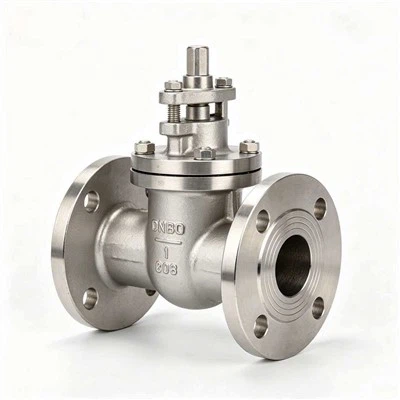
Cast Iron Digital Lock Balance Valve
We make about 10,000 pieces a month, lead time near 15 days. MOQ 1 set/1 pc, FOB from US $28 per piece.
Cast Iron Digital Lock Balance Valve
Balancing the loop on an HVAC riser
The static balance valve is set into building HVAC and heating risers, where loop flow has to be distributed evenly across branches and risers. Balancing work happens after the system fills and circulates: the farthest branch is adjusted first, then each take-off moves toward the main, so the balance body stays accessible from the riser walkway or plant aisle. These valves appear on HVAC loops, heating returns and domestic water branches, grouped by the loop design on the project drawing. The setting follows the project drawing.
The table below carries the listed size band and working rating recorded for this valve listing.

Cast iron body with coated interior
The body listed as Cast Iron carries branch pressure on domestic water, HVAC and heating loops. An EPDM or NBR seat with epoxy coating seals around the adjusted plug. The set opening holds through heating season and standby months, and compound choice follows the heating medium on the drawing. Plug, spindle and insert are the working parts; the casting carries loop pressure while the insert seals the opening. EPDM and NBR suit different temperatures, and compound is matched to heating medium and antifreeze before commitment. Lock and spindle stay clear of flange bolts so the set position survives assembly, and body length fits between tees and isolation valves. Plug, spindle and insert handle the flow adjustment while the casting carries loop pressure, and EPDM or NBR compound is matched to heating medium and water temperature before the valve commits to a circuit.
Flanged ends tied into heating and water mains
The body connects through Flanged ends to the riser or branch piping. The flange tie-in leaves clearance for the top adjustment lock, and bolts are kept off the lock mechanism so the setting survives assembly. Gasket follows water temperature and heating medium on the loop drawing.
| Fitting | Rating |
|---|---|
| Standard record attached to the listing | - |
| Working rating across the bore | Pn10 / Pn16 |
| Nominal bore range covered | DN50–DN600 |
| Construction metal of the housing | Cast Iron |
| Model reference on the listing | SBV-001 |
| End form matched to the spool | Flanged |
| Listed service sector for the valve | HVAC, Water, Heating |
| Listed type of the assembly | Balance Valve |
| What the valve family is listed as | Balance Valve |
Digital lock holding the set balancing position
The plug or spindle sets branch flow area, and the digital lock fixes the position once the reading matches design target, keeping vibration and handling from shifting it. Loop standby and summer cycling call for a seated position that holds without drifting over idle months. A poorly balanced loop starves far branches and over-serves near ones, which is why adjustment runs from the farthest take-off back to the main after fill and circulation. The insert remains in contact around the plug, sealing the branch when closed and holding the set coefficient when open. The digital lock keeps vibration and handling from moving the setting once the target reading is reached. Branch pressure drop follows the set opening, and the body carries the same loop pressure as neighboring isolation valves, so rating is confirmed against main class before the balance point is fixed in the loop. The spare matches the installed main.
Renewal parts follow insert and spindle, not the casting. Insert renews when a branch loses its set position, and the lock is checked to confirm it still fixes the opening. Interior epoxy protects the casting across years of contact, and wall carries branch pressure without deflection. After seat work, the plug is reset to the design reading to service the loop.
The metal sees internal fluid continuously and ambient moisture only around the flange and bonnet, so corrosion attention follows the wetted parts first. Coating, wrapping and external paint follow the plant's own corrosion practice once the piece enters the line, and the casting itself keeps service after the sealing parts are renewed. Inspect the exterior at each visit.
On site the valve is set in place with the correct flange bolts or weld bevel, and the closure is cycled once from fully closed to fully open to confirm the stem, disc or wedge moves without binding. Grit on the seat face is cleared before pressure is applied, and the joint is centered so the seal compresses evenly around the bore. A slow leak after the first test points to the seat rather than the shell, which is where maintenance attention usually starts.
A slow seat leak shows up on the first pressure test more often than a body failure, so maintenance attention goes to the insert, the hinge or guide surfaces and the sealing face before the casting itself is questioned.
Riser selection across DN50 to DN600
Size runs DN50–DN600 and the rating covers Pn10 / Pn16; the order should confirm bore, end form, seat type and pressure class against the piping drawing. The source listing leaves the standard record blank, so the project drawing should be checked against the line's required standard before the valve is committed. The first order may run to a single piece where permitted; pricing and lead schedule follow the quotation once size, end form and count are agreed.
Hot Tags: Cast Iron Digital Lock Balance Valve, China Cast Iron Digital Lock Balance Valve manufacturers
Previous
No InformationYou Might Also Like



Send Inquiry