




Cast Iron T Type Strainer
We pack in wooden cases and cartons. FOB pricing runs US $12-18 per piece, minimum order 500 pieces.
Cast Iron T Type Strainer
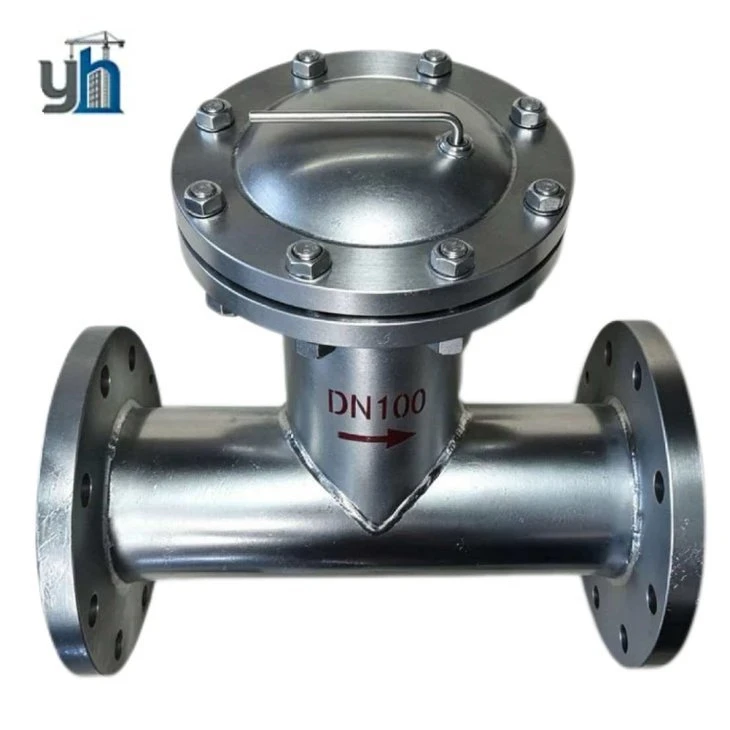
Sand in a pump suction line scores the impeller before anyone notices. The YT-TS-001 T type strainer catches that suspended debris on a replaceable screen before it reaches downstream equipment. Body material runs Cast Iron / Carbon Steel, size DN15 to DN400, flanged in ANSI, DIN or JIS pattern, rated Pn10, Pn16 or Class 150. A 20–200 mesh screen sits inside, mesh count chosen against particle size and the equipment being protected. Industrial liquid filtration on process and utility lines is the stated use. Units pack in wooden cases and cartons, FOB US $12-18 per piece, minimum order 500 pieces. Where the line carries recycled or surface water, a finer mesh is chosen to keep particles out of pumps and heat transfer surfaces. Bulk orders carry the quoted window; samples follow the listing terms.
What the mesh catches
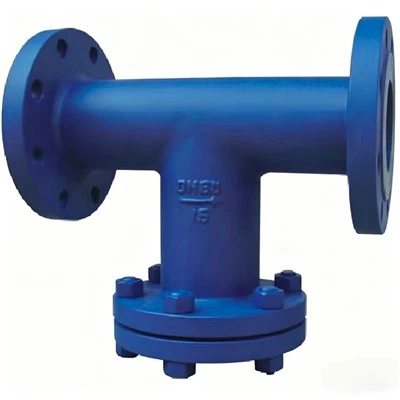
Flow enters through the line inlet and turns into the lower T-shaped branch chamber, where the screen cylinder sits across the passage. Liquid passes through the mesh into the central outlet, while particles larger than the mesh opening settle against the screen face or drop into the debris pocket at the bottom of the branch. This arrangement keeps those solids from moving on toward the equipment behind the tee. The screen lifts out through the branch cover after the fasteners are loosened; accumulated dirt is flushed out, or the mesh cartridge is replaced, without cutting the body from the line. The branch cover bolts down around a gasketed flange face, and on larger sizes the cover may be heavy enough that lifting gear or a second pair of hands is used when the cartridge comes out for cleaning or replacement. Flanged ends mate with companion pipe flanges, and the gasket and bolt arrangement follow the ANSI, DIN or JIS pattern selected. Mesh wires are woven or perforated into a cylindrical cartridge that slides into the branch chamber, and a rim at the cartridge edge seats against the body ledge so unfiltered flow cannot pass around the screen and on to the equipment. Debris collects against the mesh face over time, and the pocket below the screen holds coarse particles that settle out under gravity. Body material is chosen against medium, pressure and external environment.
| Field | Class |
|---|---|
| Model reference | YT-TS-001 |
| Product type | T Type Strainer |
| Category | Strainer |
| Body material | Cast Iron / Carbon Steel |
| Size range | DN15 to DN400 |
| End connection | Flanged (ANSI / DIN / JIS) |
| Pressure rating | Pn10 / Pn16 / Class 150 |
| Typical use | Industrial liquid filtration |
| Standards / certification | Open, confirmed per order |
| Brand | YH |
| Place of origin | China |
| Delivery window | Not fixed at this stage |
| Minimum order | Min. Order: 500 Pieces |
| FOB range | US $12-18 / Piece |

Lines that feed through it
Water treatment and pump suction lines install this pipeline strainer ahead of centrifugal pumps, so sand, scale and welding residue do not score impeller or seal. Pump suction protection is the most common placement: the unit sits between the suction header and the pump inlet, catching grit before it reaches the mechanical seal, impeller wear ring or balancing holes drilled in the impeller. Process plants place it on cooling water, condensate and chemical make-up lines where valve seats and instrument orifices need protection. Cooling towers and condenser loops place the same protection ahead of pump suction and heat exchanger inlets, where scale and rust would otherwise travel through the circuit. It also appears on irrigation conveyance and utility water mains, where grit would otherwise reach terminal equipment. Plants often place one at each pump suction and another ahead of heat exchanger banks. DN15 to DN400 covers small utility taps through large process headers, and Pn10, Pn16 and Class 150 align with common water and process line classes.
On field laterals the unit protects sprinkler heads. Grit there clogs a head after a single dry season.
Cleaning the branch cover
Fit the strainer in the flow direction marked on the body, debris pocket facing downward so particles settle where they can be removed. Leave enough space below the branch cover to pull the screen out for cleaning. Flange gaskets sit square on both faces, and bolts tighten diagonally and evenly. Flush the line before final commissioning, so construction dirt does not block the screen during the first run. Crews forget to log a clean baseline; the commissioning pressure reading gives one. Rising differential pressure across the unit means the mesh needs attention. Later readings above that baseline signal a loaded mesh. Spare cartridges stay on site where shutdown windows are short. On long-running lines the first cleaning is scheduled after commissioning, then intervals extend once collected debris volume stabilizes. When the screen comes out, inspect the mesh for torn wires and check the cover gasket before reassembly. Reassembly torque follows the flange bolt pattern, and the cover is checked for even gasket seating before the line is brought back up to pressure.
Ordering the right body and mesh
Match DN15–DN400 to the line size, then pick body material between cast iron and carbon steel against medium and ambient conditions. Carbon steel body is chosen where the medium or outdoor exposure calls for it; cast iron stays on standard water and utility service. Select flange pattern as ANSI, DIN or JIS to match existing piping, and confirm pressure class among Pn10, Pn16 and Class 150. Flange drilling follows the selected standard, so companion flanges on the existing line should be checked against the drawing before the body is cast and shipped to site, and the gasket bore should match the flange face width. Mesh between 20 and 200 is optional: coarser mesh suits coarse debris, finer mesh protects sensitive equipment, and the finer mesh clogs sooner and needs more frequent cleaning. As a pipe fitting strainer, it adds a filtration stage without moving parts. Before dispatch, workshop staff check body castings and welds, verify flange dimensions and bore, fit and inspect the supplied mesh, and check coating or surface finish against the order. Packing is wooden cases and cartons.
Hot Tags: Cast Iron T Type Strainer, China Cast Iron T Type Strainer manufacturers, coarse mesh strainer, gas line strainer, hvac water strainer, oil pipe fittings, valve protection strainer, y type pipeline strainer
Previous
No InformationYou Might Also Like


Send Inquiry