






Ductile Iron Drain Grating
We output about 10,000 pieces per month with a lead time near 20 days. Custom sizes are accepted, with FOB pricing from US $30 per piece.
Ductile Iron Drain Grating
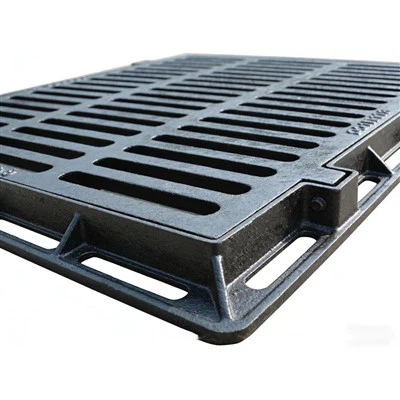
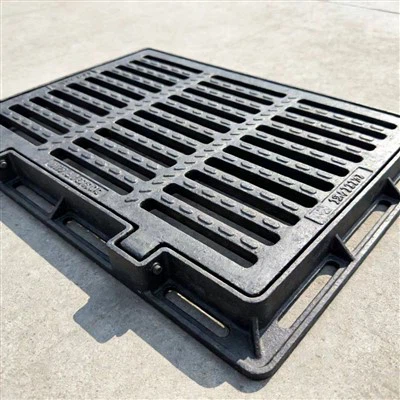
Rain sheets off a sidewalk and the first thing it meets is the opening in the channel below. A grating covers that opening, keeps boots and tyres from dropping through, and lets the water drop away. The panel is QT500-7 ductile iron, cast to EN124 C250, made in square and rectangular outlines for gullies and long channel runs. Walkway contractors send the opening size from the drawing; the panel is cast to match, with custom dimensions accepted on request. It ships under trademark YH from China. The foundry turns out about 10,000 pieces a month, and an order of 1–200 pieces leaves in roughly 20 days; anything above 200 pieces is negotiated per shipment.
| Item | Detail |
|---|---|
| Product type | Grating |
| Category | Grating |
| Body material | Ductile Iron (QT500-7) |
| Model reference | QT500-7 / EN124 C250 |
| Standards / certification | ISO |
| Typical use | Municipal Drainage, Road Gutters, Parking Lots |
| Brand | YH |
| Place of origin | China |
| Delivery window | 20 days (1–200 Pieces); to be negotiated (>200 Pieces) |
| FOB range | US $30–70 / Piece |
| Minimum order | Min. Order: 50 Pieces |
| Size range | - |
| End connection | - |
| Pressure rating | - |

What the panel is made of
One rigid frame, cast as a single piece. Parallel bearing bars run across the frame; cross bars fuse into them during moulding. Load travels from the walking surface down the bearing bars into the side frame, and the frame rests on the channel rim or a support ledge recessed into the concrete. QT500-7 ductile iron bends a little under impact instead of splitting. That matters when a tyre hits the panel edge at an angle. Slots between the bars let rainwater sheet through while stone and litter stay on top. Bars run parallel to the shortest span where possible, so each bar carries a shorter load path than a diagonal layout would. The frame sides sit proud of the channel edge by the machined rim, which keeps the panel seated even when traffic rolls across the corner.
Edge profiles are machined after casting, so the panel sits flat and does not rock when someone steps near the rim. No hinges, no bolts inside the opening, no moving parts to seize. Maintenance comes down to lifting the panel, clearing silt, and putting it back.
Where these end up
Municipal crews lay this grating along sidewalks, plazas and footbridges where runoff would otherwise pool. Road gutters take the panel at the curb edge, catching sediment before it reaches the storm network. Parking lots use the cast iron grate at low points and entrance ramps; tyres pass over the opening several times a day. The same layout shows up at yard entrances, market squares and depot floors.
EN124 C250 covers the pedestrian and light-traffic loading these zones see. Square panels suit square gullies. Rectangular panels suit long channel runs. Mixed layouts around tree pits and curb corners are ordered to the opening size on the drawing. Parking lot drains sit at the low point of each bay; the panel there takes repeated tyre roll-over rather than a steady pedestrian step. Gullies at curb corners take the rectangular panel cut to the curb radius.

Field fitting notes
Clean the channel rim first. Check the support ledge is level along its full length. Seat the grating in the recess without forcing it; a panel resting on raised concrete flexes under load. Anchor lugs or fixing holes, where requested, line up with drilled holes in the rim. During pouring or paving, cover the opening so cement slurry does not set inside the channel.
After the first heavy rain, sweep leaves and silt off the bars, lift the panel, remove accumulated sludge, and re-seat it squarely. Inspect panels after the first season of rain, then on a yearly cycle; look for bar loosening at the frame welds and for corrosion patches on the underside. A through crack or a fractured cross bar means replacement. Do not weld the bar back into service.
Before you order
Match the panel to the channel opening first, then confirm the EN124 C250 class against expected traffic. Material stays QT500-7 ductile iron for the panel shown; bar spacing and finish follow the mould pattern. Before dispatch, foundry staff check casting dimensions against the drawing, look bars over for shrinkage or cracks, and verify the ISO records attached to the batch. Coating weight and paint coverage are checked on sampled pieces.
The drain grating lists FOB US $30–70 per piece, minimum order 50 pieces; custom sizes and volume above 200 pieces are discussed per shipment.
Common misfits on site
Three situations come up most. The opening was measured after paving, so the rim sits higher than the panel seat; re-check dimensions before casting. The channel width was widened on site but the panel stayed at the old size, leaving gaps at the edges. Bars were clogged with silt from construction work, and the drain backed up even though the panel itself was sound.
A gully grate chosen for pedestrian traffic ends up under a vehicle ramp; the loading class has to match the wheel load, not just the opening size. Another common mismatch is ordering a plain flat panel where the channel rim needs a rebated edge; the two do not seat the same.
Hot Tags: Ductile Iron Drain Grating, China Ductile Iron Drain Grating manufacturers, Anti Clog Drain Grate, curb inlet grate, Debris resistant drain grate, drainage channel storm grate, storm drain grate, storm drain safety grate
You Might Also Like



Send Inquiry